 blog
What Should a Sprung Floor Warranty Actually Cover?
Last Updated: October 25, 2026
Quick Summary
A sprung floor warranty is a manufacturer's promise to repair or replace flooring that fails due to defects in materials or workmanship within a specified period. A sprung floor warranty typically covers the structural integrity of the floor system, subfloor, springs, and surface layers, but excludes damage from improper installation, lack of maintenance, or misuse. When comparing warranties, evaluate coverage by component, warranty length, what remedies are included, and what conditions must be met to keep coverage valid.
- Substrate flatness and moisture readings recorded at installation are the most frequent deciding factors in whether an exclusion applies to a claim.
- Humidity must be maintained between 30% and 50% relative humidity to preserve warranty validity on wood-based sprung systems.
- Installation by an approved, certified installer is required to maintain warranty coverage; choosing an installer based solely on cost can void your warranty.
- Claims typically must be filed within 30 to 90 days of discovering damage, and manufacturers usually assess claims within 1 to 2 weeks.
Table of Contents
- Understanding Sprung Floor Warranty Coverage
- How Long Sprung Floor Warranty Length Protects Your Investment
- Dance Floor Warranty Exclusions and What They Mean
- Installation Requirements and Approved Installer Standards
- Maintenance and Care to Preserve Your Warranty
- Filing a Dance Floor Warranty Claim Process
- Getting a Warranty Quote for Your Facility
- Frequently Asked Questions
Understanding Sprung Floor Warranty Coverage
A sprung floor warranty is a manufacturer's promise to repair or replace flooring that fails due to defects in materials or workmanship within a specified period. It covers the structural integrity of the floor system, subfloor, springs, and surface layers, but typically excludes damage from improper installation, lack of maintenance, or misuse.
When evaluating sprung floor warranty coverage, focus on three areas: what components are protected, how long protection lasts, and what conditions keep the warranty valid. Most manufacturers cover manufacturing defects rather than normal wear and tear. Glory and Power Enterprises backs its premium two-layer Baltic birch construction with comprehensive coverage reflecting the durability built into every floor system.
Terms vary considerably between manufacturers. Some cover only structural components; others extend to the finish and surface layer. The fine print reveals whether labor, shipping, or only materials are covered. A strong sprung floor warranty itemizes each component and specifies the remedies available, repair, replacement, or refund.
How Long Sprung Floor Warranty Length Protects Your Investment
Sprung floor warranty length is not a single number, it is a set of terms that differ by component, and comparing only the headline duration hides what matters.
Coverage by floor component. Most commercial sprung systems break coverage into layers:
Component | Typical warranty term | What it usually covers | Common conditions |
|---|---|---|---|
Structural system (sleepers, springs, subfloor assembly) | 10 years to lifetime, depending on tier | Manufacturing defects in springs, fasteners, and framing that cause structural failure | Approved installation; substrate within tolerance; loads within rating |
Surface layer (wood or synthetic wear surface) | 5 to 10 years | Delamination, premature wear-through, manufacturing defects in the panels | Humidity maintained in range; approved cleaning products |
Finish / coating | 1 to 5 years | Finish failure such as peeling or excessive wear under normal use | Approved maintenance schedule; no harsh chemicals |
Accessories (vent cove, thresholds, trim) | Often 1 year or excluded | Defects in supplied accessories | Proper installation |
Use this table as a checklist, not a benchmark, actual terms vary by manufacturer and product line, and the written warranty statement controls. Ask for the term for each layer rather than accepting a single headline figure.
Warranty term versus expected service life. A warranty period is a window of manufacturer responsibility for defects, not a prediction of floor lifespan. Evaluate whether the warranty length justifies your sprung floor investment by comparing protection duration to your facility's planning horizon.
Matching term to your planning horizon. A facility renovating in seven years should weigh whether a 10-year structural term adds value; a venue expecting 20+ years should focus on component-level terms, post-warranty parts availability, and extended protection. Ask what happens at expiry: whether the manufacturer sells replacement springs, surface panels, or finish systems for the floor's life, and whether an extended plan can be purchased at installation.
Labor, shipping, and remedies. Duration is only half the term. Confirm whether the warranty covers materials only or also labor and shipping for approved repairs, and whether the remedy is repair, replacement, or refund at the manufacturer's discretion. A 10-year materials-only warranty can cost more over its life than a 7-year warranty that includes labor.
When you request quotes, ask each manufacturer to state the term for the structural system, surface layer, finish, and accessories separately, and to put remedy and labor terms in writing. That side-by-side view turns a warranty comparison into a procurement decision.
Dance Floor Warranty Exclusions and What They Mean
Sprung floor warranty exclusions are the conditions the manufacturer will not cover. Generic advice stops at "misuse and wear and tear," but sprung floors fail for specific mechanical reasons, and the exclusions are written around those reasons.
Subfloor and substrate conditions. A sprung floor is only as true as the slab beneath it.
Point loads and unauthorized use. Sprung floors are engineered for distributed, dynamic loads, dancers, athletes, foot traffic.
Environmental excursions. Wood-based sprung systems respond to humidity and temperature.
Wear, finish, and cosmetics. Normal surface wear, finish scuffs, minor discoloration, and indentations from ordinary use are excluded because warranties cover defects, not aging. Finish warranties, where offered, are usually shorter than the structural warranty and carry their own conditions.
Installation by non-approved parties. If the floor is not installed by an approved installer following the manufacturer's written procedures, the warranty may be voided entirely.
A practical way to use this list: map each exclusion to a facility practice, substrate verification at install, load-spreading protocols for events, humidity logging, and an approval step before any repair, so the warranty stays valid by design.
Installation Requirements and Approved Installer Standards
Proper installation is the foundation of a valid sprung floor warranty. Learn the step-by-step procedures and approved installer standards required to maintain warranty validity.
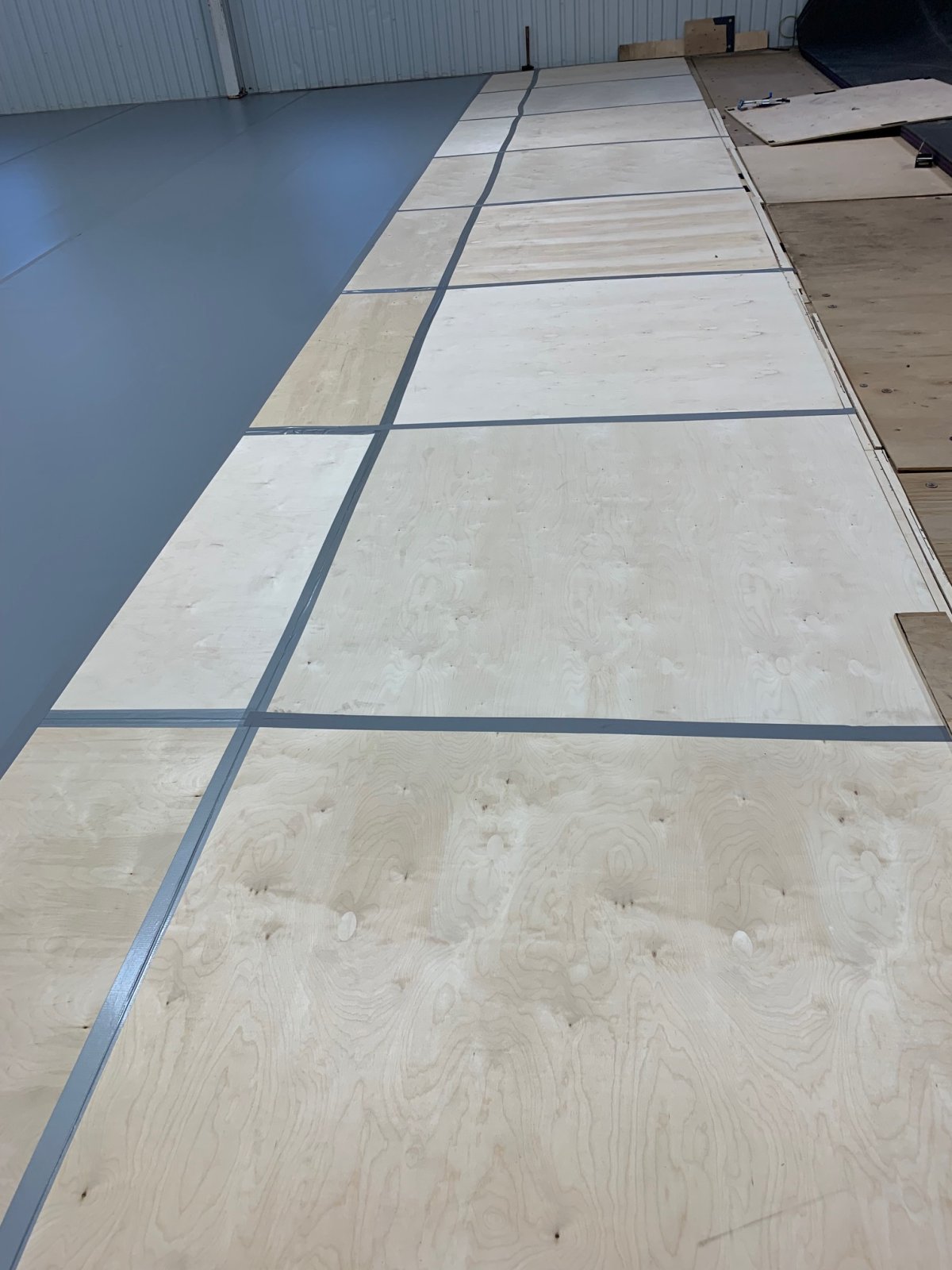
Diagram detailing sprung floor warranty installation standards with Baltic birch layers and secured power springs.
When selecting an installer, verify current certification from the flooring manufacturer. Approved installers understand subfloor preparation, spring spacing, and correct fastening techniques, and they document the installation process, essential if a claim is filed. Some manufacturers provide regional lists of certified installers.
Installation documentation becomes part of your warranty record. The installer should provide records showing the installation date, materials used, subfloor conditions, and any site-specific adjustments. This proves installation met the manufacturer's standards and protects coverage if questions arise. Keep these records with your warranty paperwork and proof of purchase.
Watch out: choosing an installer based solely on cost can lead to errors that void your warranty. A low bid may reflect inexperience or shortcuts that compromise structural integrity. The difference between an approved installer and an unqualified contractor is typically small compared to replacing a floor that failed due to improper installation.
Maintenance and Care to Preserve Your Warranty
Regular maintenance is not optional if you want to keep your sprung floor warranty valid. Manufacturers specify care requirements, cleaning with approved products, maintaining proper humidity, and addressing spills immediately. Skipping steps or using inappropriate cleaning methods can void your warranty even if the floor itself is sound.
Humidity control is particularly critical. Most sprung floors use wood components that respond to moisture and temperature changes.
Cleaning protocols vary by floor type and finish. High-powered scrubbers or harsh chemicals can damage the floor and void the warranty when damage appears. Learn how proper maintenance practices protect your warranty investment and extend the lifespan of your flooring system.
Documentation strengthens your warranty position. Keep records of cleaning schedules, humidity monitoring, and repairs performed. If a claim becomes necessary, this demonstrates you fulfilled your maintenance obligations. A simple log noting cleaning dates, issues observed, and corrective actions is enough.
Filing a Dance Floor Warranty Claim Process
Understanding the claim process before you need it prevents delays. Most manufacturers require claims within a specific timeframe after discovery, often 30 to 90 days, so address potential defects promptly and contact the manufacturer as soon as damage is suspected.
The typical process begins with documentation. Photograph the damaged area from multiple angles, noting its location. Gather proof of purchase, warranty documentation, and maintenance records, then contact the manufacturer with a detailed description.
Manufacturers often require approval before repairs. Fixing the problem yourself or hiring a contractor without approval can complicate or invalidate your claim, since the manufacturer needs to inspect the damage to determine cause and coverage. Only after assessment should repairs proceed, ideally through approved contractors.
Response times vary, but most manufacturers aim to assess claims within 1 to 2 weeks. If approved, the manufacturer typically covers materials and may cover labor for approved contractors. If denied, it should explain clearly why the damage falls outside coverage.
Getting a Warranty Quote for Your Facility
When shopping for sprung flooring, request warranty information as part of your quotation. Manufacturers offer different structures, and comparing terms reveals the true value of each option. Ask each for a written warranty statement outlining coverage, duration, exclusions, and the claims process.
Key questions to ask when obtaining a warranty quote include:
- What components are covered under the warranty?
- How long does the warranty period last?
- Does the warranty cover labor costs for repairs, or only materials?
- What maintenance requirements must be followed to keep the warranty valid?
- Are there any geographic limitations on warranty coverage?
- What documentation is required to file a claim?
- Are extended warranty options available?
Comparing sprung floor warranty options side by side reveals important differences in protection. Some manufacturers offer tiered warranties with different coverage levels at different price points; understanding these tiers helps you match coverage to your facility's needs and budget.
Warranty Component | What to Compare | Why It Matters |
|---|---|---|
Coverage duration | 5 years vs. 10 years vs. lifetime | Longer protection reduces replacement risk |
Components covered | Springs only vs. full system | Full system coverage provides broader protection |
Labor coverage | Manufacturer pays vs. facility pays | Labor costs can equal or exceed material costs |
Maintenance requirements | Strict vs. flexible | Easier requirements reduce risk of voiding warranty |
Claims process | Quick vs. lengthy | Fast resolution minimizes facility downtime |
When evaluating warranty quotes, don't focus solely on price. A less expensive floor with weak coverage may cost more over time if defects emerge.
Request warranty terms in writing before you commit to a purchase. This documentation is essential if disputes arise and clarifies exactly what protection you've purchased. Some manufacturers allow online warranty registration, creating an official record and simplifying future claims.
Frequently Asked Questions
How long is a sprung floor warranty typically?
Sprung floor warranty length varies by manufacturer and product tier, commonly ranging from 5 to 10 years for materials and workmanship. Some premium systems extend coverage to 15 years for the structural floor system. Always verify the specific warranty period with your supplier before purchase, as coverage duration directly affects your long-term protection and replacement costs.
What does sprung floor warranty coverage usually include?
Sprung floor warranty coverage typically protects against manufacturing defects in the floor structure, springs, and surface materials under normal use. Most warranties cover the two-layer Baltic birch construction, power springs, and fastening systems. Coverage usually excludes damage from improper installation, inadequate maintenance, misuse, or environmental factors like excessive moisture. Review the specific terms with your flooring provider to understand exactly what components are covered.
What voids a sprung floor warranty?
Common warranty exclusions include improper installation by non-approved installers, failure to follow maintenance schedules, water damage or excessive moisture exposure, use beyond the intended application, and physical damage from accidents or misuse. Installation defects discovered after the approved installer's work is complete may fall outside the flooring manufacturer's warranty. Always document proper maintenance and use approved installers to preserve your coverage.
How do I file a warranty claim for a sprung floor?
To file a dance floor warranty claim process, contact your flooring supplier with proof of purchase and documentation of the defect. Most suppliers require photos, maintenance records, and details about when the issue appeared. Submit your claim within the warranty period stated in your contract. The manufacturer will typically inspect the floor or request additional evidence before approving repair or replacement remedies.
Selecting the right sprung floor means understanding not just the product itself, but the warranty protection backing it. The warranty terms you negotiate today determine how your facility is protected if defects emerge months or years after installation. Facilities that invest time in comparing sprung floor warranty options and understanding coverage details make smarter purchasing decisions and avoid costly surprises down the road.