 how-to
7 Factors That Affect Gym Flooring Lead Times
Last Updated: October 25, 2026
Quick Summary
Gym flooring lead time refers to the span between when a facility orders new flooring and when it arrives ready for installation. Lead times vary from 3 business days for stocked products to 40 business days for fully custom systems, plus additional time for shipping, site preparation, installation, acclimation, and curing.
- Stocked rubber tiles ship in 3-7 business days, while spring floor systems take 17-25 business days to manufacture.
- Shipping adds 3-7 business days depending on distance, and materials must acclimate for 24-72 hours before installation.
- Spring floors require 48-72 hours to cure after installation before athletes can use them.
- Manufacturing capacity peaks in spring and early summer, so ordering in late fall or winter often results in faster turnarounds.
- Always ask suppliers whether quoted dates are based on confirmed inventory or expected replenishment, and request written confirmation before ordering.
Table of Contents
- Understanding Gym Flooring Lead Time Expectations
- Custom Gym Floor Manufacturing Lead Time
- Shipping and Freight Logistics Impact on Delivery
- Commercial Gym Flooring Installation Timeline
- Gym Floor Installation Preparation Checklist
- Building a Realistic Project Timeline
- Verifying Your Supplier's Lead Time Commitment
- Frequently Asked Questions
Understanding Gym Flooring Lead Time Expectations
Gym flooring lead time refers to the span between when a facility orders new flooring and when it arrives ready for installation. This timeline matters because it determines when athletes can train on new surfaces and when facilities can reopen after upgrades. Lead times vary dramatically based on material type, manufacturing complexity, and shipping logistics.
For gym owners planning renovations, understanding these timelines prevents costly delays. A facility that miscalculates lead time might miss a competitive season or disappoint members expecting new amenities. The difference between a 3-week timeline and a 12-week one shapes every decision that follows.
Glory and Power Enterprises specializes in manufacturing high-quality competition spring floors designed for gymnastics, cheerleading, martial arts, and dance. Their approach to gym flooring lead time balances manufacturing precision with delivery speed, a critical factor when facilities face tight deadlines.
Custom Gym Floor Manufacturing Lead Time
Manufacturing is the longest controllable phase of a gym flooring project, and the single biggest source of missed opening dates. Learn detailed pricing information for professional sprung floor systems to budget for the project. The key distinction most buyers miss is that "lead time" means different things depending on whether the product is stocked, made to order, or fully custom. Treat the ranges below as planning estimates, not guarantees, and always confirm the current quoted date in writing.
Stocked, Made-to-Order, and Custom Systems
| Product category | Typical manufacturing window | What drives the variance |
|---|---|---|
| Stocked rubber tiles and rolls | Ships in 3-7 business days if inventory is on hand | Warehouse stock levels; color and thickness availability |
| Made-to-order rubber and foam systems | 10-18 business days | Production queue, dye lots, cut-to-size work |
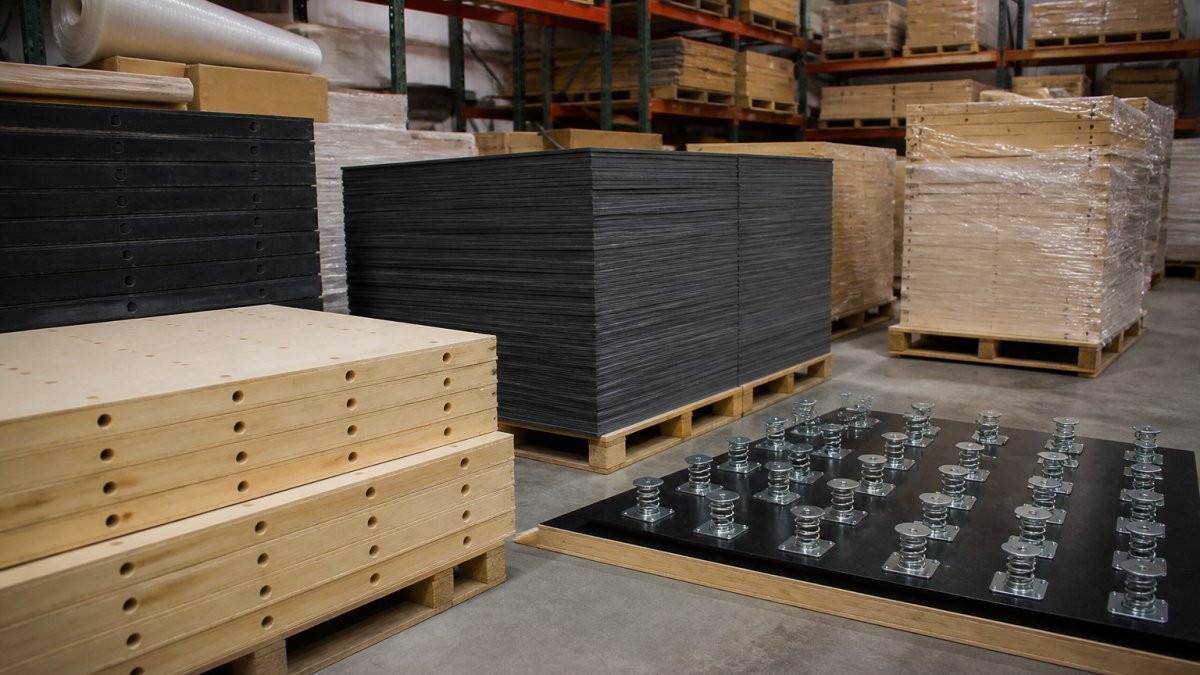
| Spring floor systems (multi-layer wood and spring construction) | 17-25 business days | Component sourcing, board cutting, spring and fastener assembly, quality testing |
| Fully custom or oversized systems | 25-40 business days | Engineering review, non-standard dimensions, custom fastening layouts |
A stocked product is only fast if the specific SKU is actually in the warehouse. Always ask whether the quoted date is based on confirmed inventory or on an expected replenishment.
What Actually Drives Manufacturing Time
Four factors move the date more than anything else:
- Component availability. Multi-layer wood systems depend on consistent sheet goods, springs, fasteners, and adhesives. If any one component is short, the whole order waits. Domestic component sourcing shortens this window; imported specialty components can add 5-10 business days.
- Order size and customization. A standard-size order runs through a predictable production slot. Custom dimensions, non-standard thicknesses, or branded finishes require separate setup and inspection time.
- Manufacturing capacity and season. Spring and early summer are peak renovation months, and suppliers prioritize orders already in the queue. Facilities that order in late fall or winter often see faster turnarounds because capacity is looser.
- Quality testing. Competition-grade systems are tested before shipment. Skipping or compressing this step is a false economy, because a floor that fails on arrival costs far more time than the test would have.
American Society for Testing and Materials standards for athletic flooring define performance requirements that influence how much testing and assembly time a system needs. Facilities choosing premium systems should expect the longer window as part of the build, not as a supplier failure.
Domestic vs. Imported Components
Domestic sourcing shortens lead time because materials arrive faster and supply chains are more predictable. Imported components, especially specialized springs or premium wood, add transit and customs uncertainty on top of production time. That uncertainty is not a reason to avoid imported components, but it is a reason to build a larger buffer into the schedule and to ask the supplier how they handle customs delays.
Shipping and Freight Logistics Impact on Delivery
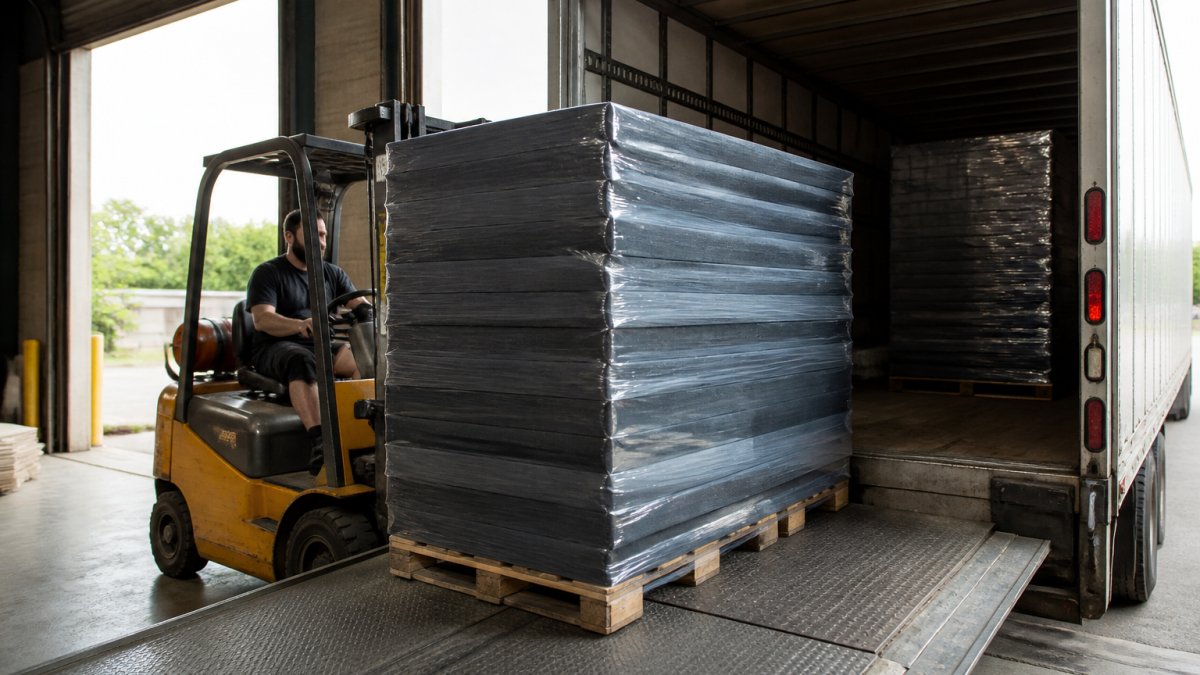
Once manufacturing finishes, shipping begins. This phase introduces variables that gym owners cannot always control. Heavy gym flooring requires freight logistics, not standard parcel delivery. A full spring floor system can weigh thousands of pounds.
Freight carriers schedule pickups based on capacity and routes. Transit time then adds another 3-7 business days depending on distance.
Customizable shipping options allow facilities to choose delivery windows and coordinate logistics. This flexibility matters when facilities need floors by a specific date.
Weather and seasonal factors affect shipping timelines too. Winter weather can delay freight by several days. Summer heat sometimes requires special handling for certain materials. Planning around these seasonal realities prevents surprises.
Federal Motor Carrier Safety Administration guidelines on freight handling establish standards for how heavy equipment must be transported. Reputable suppliers follow these standards, which sometimes adds time to the shipping process but ensures safe delivery.
Commercial Gym Flooring Installation Timeline
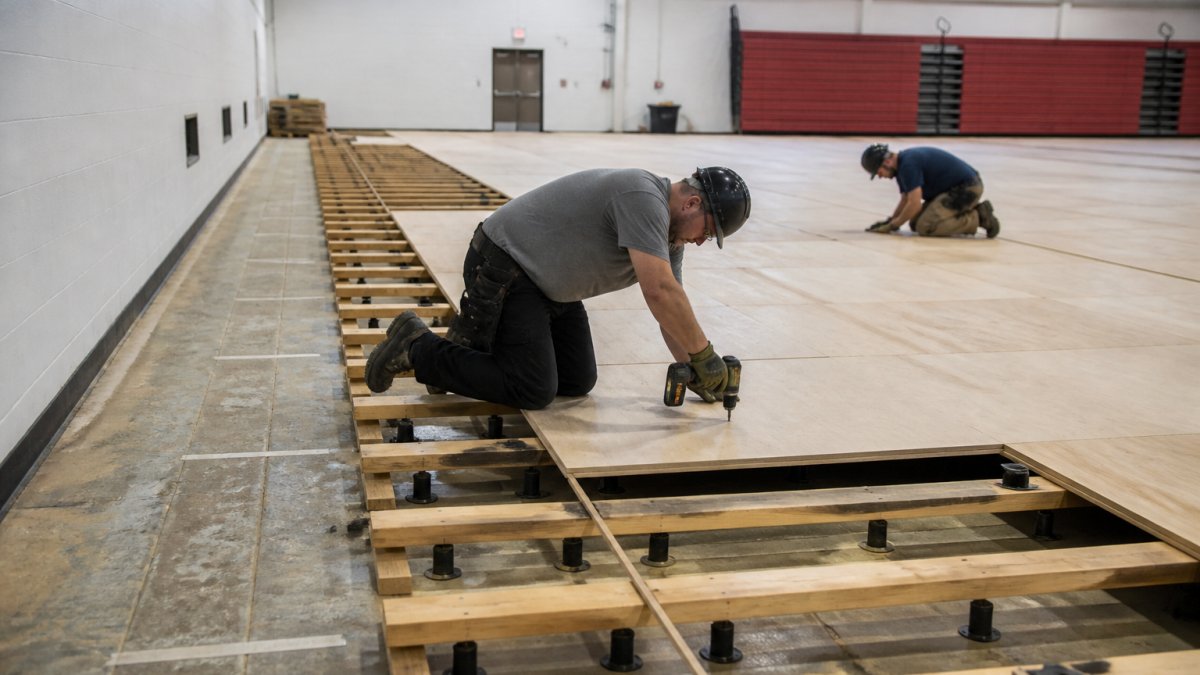
Installation is where lead time becomes real for athletes and members. Review a detailed installation guide to understand the practical steps and timeline for gym floor setup. Even after flooring arrives, the facility cannot open immediately. Installation requires site preparation, acclimation, and curing time.
Site Preparation and Acclimation Requirements
Before installation crews arrive, the facility must prepare the space. This means removing old flooring, repairing the subfloor, and ensuring the space is clean and dry. Site preparation typically takes 3-7 business days depending on the facility's current condition.
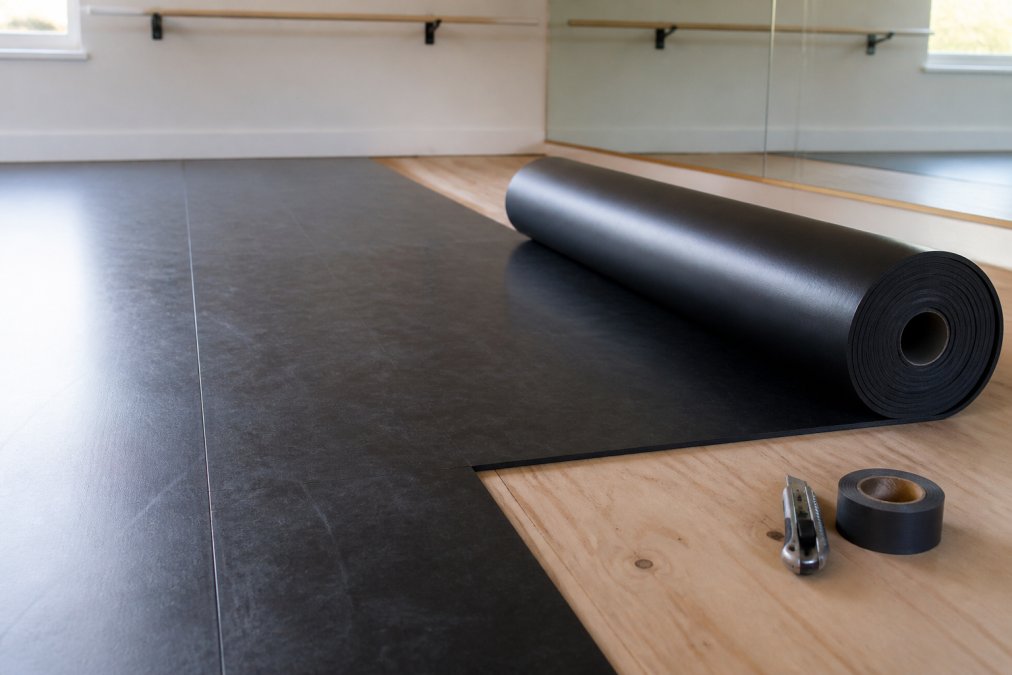
Acclimation is a step many facility owners overlook. New flooring materials must adjust to the gym's temperature and humidity before installation. This process prevents expansion or contraction after the floor is laid down. Most materials require 24-72 hours of acclimation in the installation space.
The facility must maintain consistent temperature and humidity during this period. Sudden environmental changes can warp materials or weaken adhesives. Professional installers specify exact conditions for each material type.
Curing Time and Post-Installation Readiness
After installation, the floor needs time to cure and set. Spring floors with adhesive components require 48-72 hours before athletes can use them. Glue-down rubber systems might need 5-7 days for full cure. This waiting period is non-negotiable, using the floor too early risks damage and performance issues.
During curing, the facility should remain closed to foot traffic. Temperature and humidity must stay stable. The facility cannot host practices, competitions, or classes until curing is complete.
After curing finishes, the facility can open. But the floor continues to perform better over the first 2-4 weeks as materials fully settle and bond.
Gym Floor Installation Preparation Checklist
Preparation determines whether installation runs smoothly or encounters delays. A facility ready for installation avoids costly downtime.
- Clear the installation space completely, remove all equipment, mats, and debris
- Repair any subfloor damage, cracks, or soft spots before crews arrive
- Ensure HVAC systems can maintain consistent temperature and humidity
- Verify electrical access for installation equipment if needed
- Arrange for the facility to be closed during preparation, installation, and curing phases
- Confirm delivery date and time with the freight carrier
- Have installation crews inspect the space before work begins
- Keep the space empty for at least 5-7 days after installation for curing
Building a Realistic Project Timeline
A realistic timeline accounts for every phase: manufacturing, shipping, site prep, installation, acclimation, and curing. Explore financing options to manage the cost of gym flooring projects with extended lead times.
Accounting for Backorders and Seasonal Demand
Backorders extend timelines significantly. Facilities facing tight deadlines should confirm stock availability before ordering.
Seasonal demand peaks in spring and early summer.
Contingency Planning for Unexpected Delays
Delays happen despite careful planning. Freight carriers experience delays. Manufacturers face supply chain disruptions. Weather impacts shipping. Facilities should plan contingencies.
Communicate regularly with the supplier and freight carrier. Ask for weekly updates on manufacturing progress and shipping status. Early warning of delays allows time to adjust opening dates or make other arrangements.
Verifying Your Supplier's Lead Time Commitment
A promised date is not a committed date. The gap between the two is where most gym flooring projects slip. This section gives you a practical way to test whether a supplier's lead time is real before you sign.
Questions That Separate a Real Date from a Guess
Ask these in writing and keep the answers:
- Is the quoted date based on confirmed inventory or on expected replenishment? A stocked SKU with confirmed inventory is the only fast, reliable option.
- Does the date refer to dispatch or delivery? Dispatch means the product leaves the warehouse; delivery means it arrives at your site. The gap between them can be a week or more on freight.
- What is the current backorder status on this specific SKU, color, and thickness? Vague answers here are a warning sign.
- What triggers a delay, and how and when will you notify me? You want a named contact and a notification window, not a general promise.
- Will you put the date in the contract, and what happens if you miss it? Some suppliers offer expedited shipping or a discount if they miss a committed date. That accountability is worth asking for.
- Do you handle freight directly or through a third-party carrier? Direct handling usually means better control and clearer tracking.
Reading the Paperwork
Request written confirmation of the manufacturing timeline and specific shipping dates, not ranges. Ask for tracking details and the name of the freight carrier before the order ships. Confirm whether the supplier coordinates the delivery appointment or whether you do; on heavy freight, a missed appointment can add days.
Check references from facilities that ordered similar products, and ask specifically whether the timeline was met and how the supplier handled any delay. Better Business Bureau guidance on evaluating service providers recommends checking complaint histories and resolution patterns, which helps identify suppliers with a pattern of missed dates.
Building the Commitment Into Your Plan
Once you have written dates, map them onto your project calendar and add a buffer.
Frequently Asked Questions
How long does gym flooring lead time typically take?
Gym flooring lead time varies by material and customization. Custom spring floor systems typically require 17-25 working days for manufacturing. Shipping adds 3-7 business days depending on distance and freight method. Site preparation and installation can add 1-3 weeks.
What factors cause delays in custom gym floor manufacturing lead time?
Component sourcing affects manufacturing timelines most significantly. Baltic birch availability, power spring availability, and hook-and-loop fastener stock all influence production schedules. Seasonal demand spikes can create backorders. Large custom orders may require extended lead times. Weather impacts shipping schedules. Verifying material availability when you place your order helps identify potential delays before they affect your project.
How far in advance should I order gym flooring for my facility?
Order at least 8-10 weeks before your target opening or competition date. This accounts for manufacturing (17-25 working days), shipping (3-7 days), site preparation (3-5 days), installation (1-3 weeks), and curing time (24-72 hours depending on material). If you need flooring by a specific date, confirm lead times with your supplier immediately and discuss expedited options or phased installation approaches.
What should I confirm with a flooring supplier before placing an order?
Ask for the exact manufacturing lead time in working days, not calendar days. Confirm shipping method and estimated freight delivery to your location. Request written confirmation of stock availability for all components. Discuss acclimation requirements for your facility's climate. Get contingency timelines if backorders occur. Verify warranty coverage and post-installation support.