 comparison
Professional Sprung Floor System Pricing: 2026 Guide
Table of Contents
- Understanding Professional Sprung Floor System Pricing
- Sprung Floor Materials and Their Cost Impact
- Permanent vs. Portable Sprung Dance Floor Systems
- Getting a Sprung Floor Installation Quote
- Dance Studio Flooring Budget Planning
- Floor Dimensions and Coverage Area Pricing
- Professional-Grade vs. Budget-Friendly Options
- Frequently Asked Questions
Last Updated: October 11, 2026
Understanding Professional Sprung Floor System Pricing
Professional sprung floor system pricing varies significantly based on materials, installation requirements, and the specific application, whether for dance studios, gymnastics facilities, martial arts schools, or competitive training environments.

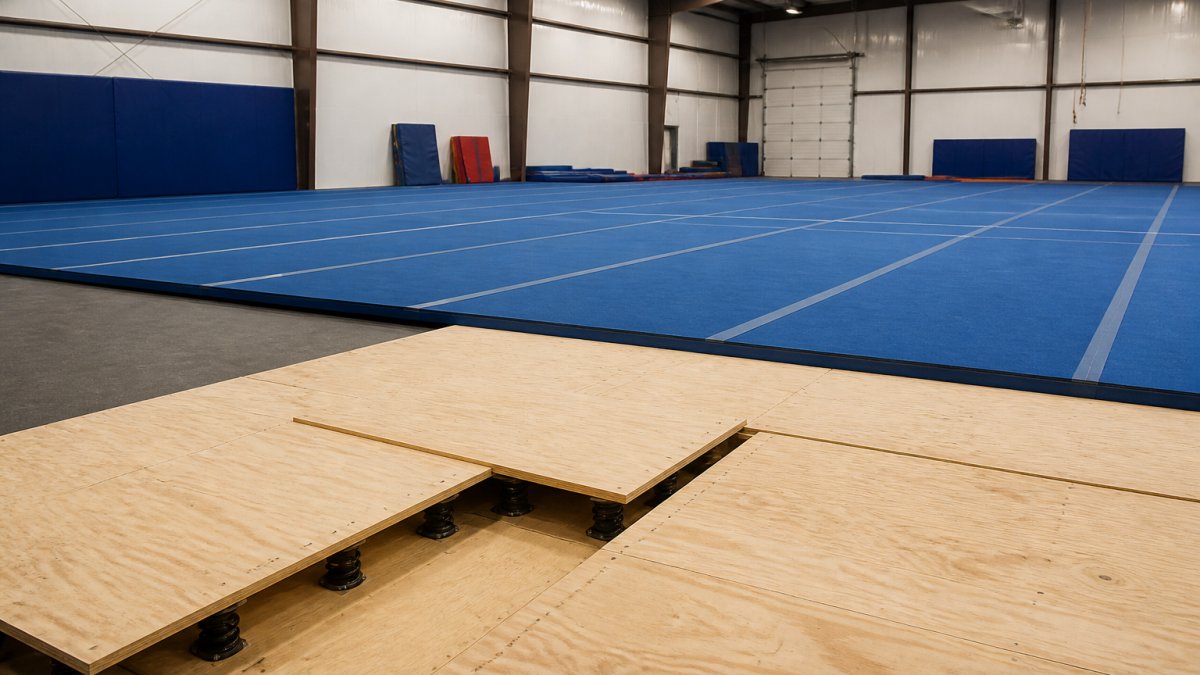
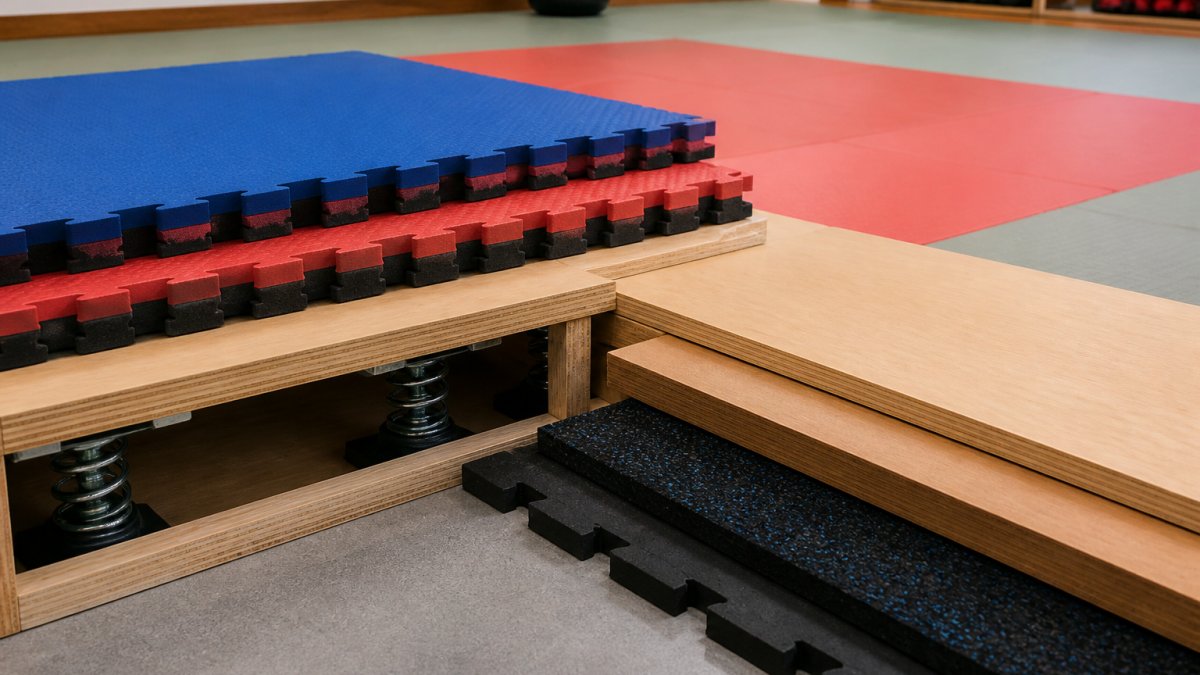
A sprung floor system is a multi-layer flooring structure designed to absorb impact, reduce noise transfer, and provide optimal performance for athletic and dance training.
Glory and Power Enterprises manufactures professional-grade sprung dance floors specifically engineered for competitive athletes.
The primary factors affecting cost include the size of the installation area, material composition, whether the system is portable or permanent, and regional shipping and installation expenses. A 1,000-square-foot studio requires different investment than a 5,000-square-foot gymnastics facility.
Sprung Floor Materials and Their Cost Impact
Two-Layer Baltic Birch Construction
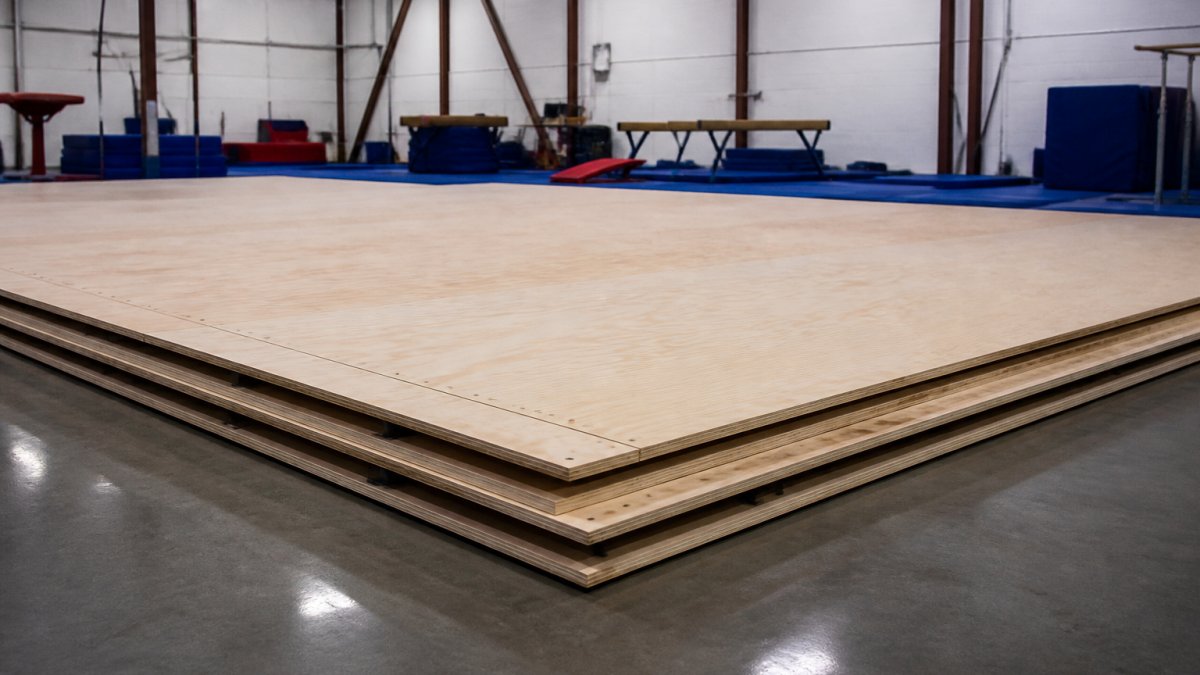
Two-layer Baltic birch construction is the industry standard for professional sprung dance floors and gymnastics surfaces. The first layer consists of high-grade birch plywood, typically 3/4 inch thick, mounted on power springs or resilient isolators. The second layer adds another layer of birch or hardwood for durability and performance consistency.
This construction method costs more than single-layer alternatives because Baltic birch offers superior shock absorption, consistent surface response, and longevity. The material resists warping and maintains structural integrity through years of intense athletic activity.
The bolt and thread-locker fastening systems used in professional installations add to material costs but ensure the floor remains secure during high-impact activities. Each board typically includes 1 linear foot of hook and loop fastener per board, allowing for modular expansion and reconfiguration if facility needs change.
Vinyl and Marley Surface Options
The top surface material significantly influences both cost and performance characteristics. Marley flooring, a vinyl-based surface specifically designed for dance and gymnastics, provides excellent traction and shock absorption. Vinyl surfaces range from basic utility-grade materials to premium performance-grade options designed for competitive use.
Marley surfaces cost more than standard vinyl but offer superior durability and performance consistency. They resist scuffing, maintain their surface properties across temperature variations, and provide the responsive feel that dancers and gymnasts prefer.
Standard vinyl surfaces offer a budget-friendly alternative suitable for recreational facilities or practice spaces. These materials still provide adequate impact protection and traction but may require more frequent replacement than premium Marley options. Facility managers should weigh the lower upfront cost against potential replacement cycles over the floor's lifetime.
Subfloor Systems and Power Springs
The subfloor system, the layer between the structural floor and the top surface, is where much of the performance and cost difference emerges. Power springs, mounted in a grid pattern beneath the main floor layer, absorb and dissipate impact energy.
Molded pyramid isolators represent an alternative to traditional power springs, offering different shock-absorption characteristics at varying price points. These isolators disperse vibrations effectively and help prevent excessive noise transfer to spaces below. The choice between spring systems and isolator systems depends on facility requirements, existing structural conditions, and budget constraints.
Professional-grade subfloor systems incorporate engineering principles that address both performance and durability. The materials used in the subfloor assembly must withstand repeated impact without degrading, maintain consistent performance over years of use, and support the weight and movement patterns of competitive athletes.
Permanent vs. Portable Sprung Dance Floor Systems
When Permanent Installation Makes Sense
Permanent sprung floor installations are bolted or fastened directly to the facility's structural floor, creating a fixed, integrated system. This approach works best for dedicated dance studios, gymnastics training centers, or martial arts schools where the floor will remain in place for many years.
Permanent installations typically cost less per square foot over their lifetime because they avoid the overhead of portability features and can be optimized for the specific space. Once installed, they require minimal maintenance beyond regular cleaning and occasional surface refinishing.
However, permanent installations require careful planning because relocating or removing them is expensive and disruptive. Facility owners should be confident about long-term space requirements before committing to a permanent system. The installation process itself requires professional expertise to ensure proper spring tension, surface leveling, and fastening security.
Portable Floor Advantages and Limitations
Portable sprung floors consist of modular panels that snap or bolt together, allowing for quick assembly and disassembly. These systems appeal to facilities that host multiple events, need flexible space configurations, or may relocate in the future.
The trade-off is higher cost per square foot and greater maintenance requirements. The connection points between panels require regular inspection and adjustment to maintain consistent surface response. Portable systems typically have a shorter lifespan than permanent installations because the repeated assembly and disassembly cycles stress the connection mechanisms.
For facilities with stable, long-term needs, permanent systems usually deliver better value despite higher initial installation costs. For event venues, multi-use facilities, or organizations anticipating future changes, portable systems offer flexibility that justifies the premium pricing. The decision depends on specific operational requirements and facility plans.
Getting a Sprung Floor Installation Quote
What to Include in Your Quote Request
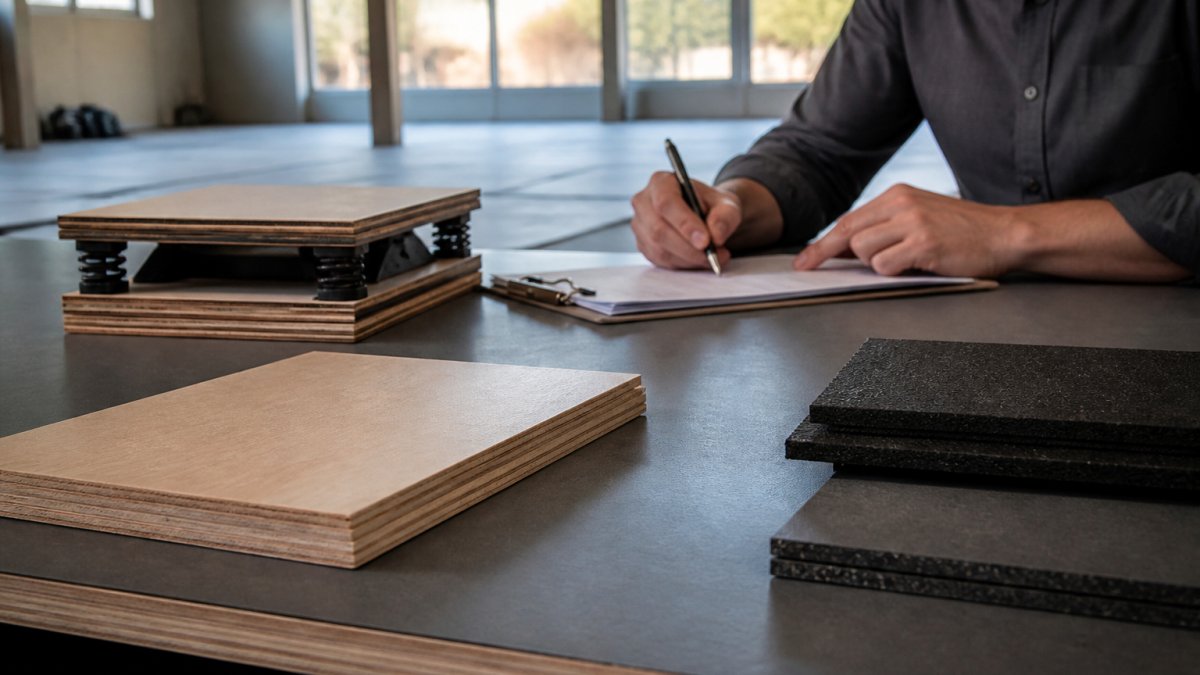
A comprehensive quote request should specify the exact square footage of the installation area, the intended use (dance, gymnastics, martial arts, or mixed training), and the desired surface finish. Include information about the facility's structural floor type, concrete, wood, or existing flooring, because this affects installation complexity and cost.
Request details about the subfloor system options available, including the number of springs or isolators per square foot and the expected shock absorption performance. Ask about surface material choices and the durability characteristics of each option.
Include questions about installation timeline, freight costs, and any site-preparation requirements. Ask whether the quote includes professional installation or if it's materials-only pricing. Request information about warranty coverage, maintenance requirements, and lifecycle costs. A detailed quote request ensures you receive comparable information from different suppliers and can make an informed decision.
Installation and Freight Cost Factors
Installation costs vary based on facility size, existing floor conditions, and system complexity. Professional installation typically requires 2-5 days depending on square footage and whether site preparation is needed. Freight costs depend on the distance to your facility, the total weight of materials, and whether specialized equipment is required for delivery.
Regional shipping variations significantly affect total project cost. Facilities in remote locations or areas with limited freight infrastructure may face substantially higher delivery charges. Some suppliers offer customizable shipping regions, allowing them to optimize freight costs based on facility location. Requesting quotes from suppliers who can service your region helps ensure accurate freight pricing.
Site preparation costs, such as removing existing flooring, repairing structural damage, or leveling uneven surfaces, add to the total project expense. A site assessment before requesting a quote helps identify potential preparation needs.
Dance Studio Flooring Budget Planning
Cost Per Square Foot Considerations
Professional sprung floor systems typically range from approximately $4 to $7 per square foot for component materials like subfloor isolators, with complete installed systems commanding higher per-square-foot costs due to labor, materials, and fastening systems.
Budget planning should account for the facility's specific requirements. A recreational practice space may justify lower-cost materials, while a competition training facility requires premium systems that deliver consistent performance. The per-square-foot cost provides a starting point, but total project cost depends on material choices, installation complexity, and regional factors.
Comparing cost per square foot across different suppliers helps identify pricing variations, but the comparison should account for differences in material quality, subfloor specifications, and warranty coverage. The lowest per-square-foot price doesn't always deliver the best value if it reflects lower-quality materials or reduced performance specifications.
Long-Term Maintenance and Lifecycle Costs
Professional sprung floors require regular maintenance to preserve performance and longevity. Routine cleaning with appropriate products maintains the surface finish and prevents degradation. Periodic inspection of fastening systems, particularly in permanent installations, ensures continued security and consistent performance.
Lifecycle costs include replacement of surface materials, spring or isolator maintenance, and occasional structural repairs. A well-maintained professional system can deliver many years of service, while lower-quality alternatives may require more frequent replacement.
Glory and Power Enterprises systems, engineered for durability with two-layer Baltic birch construction and secure fastening, are designed to minimize lifecycle costs through superior material quality and performance consistency. Facilities investing in professional-grade systems typically see lower maintenance requirements and longer service life compared to budget alternatives.
Floor Dimensions and Coverage Area Pricing
Floor dimensions directly determine material quantities and installation labor, making square footage the primary cost driver. A 1,000-square-foot studio costs substantially less than a 5,000-square-foot gymnastics facility, but the per-square-foot cost may differ due to economies of scale and installation complexity.
Irregular room shapes, obstacles like pillars or built-in equipment, and multi-level installations increase complexity and cost. Suppliers should evaluate the specific layout before providing accurate pricing. Some facilities can accommodate modular systems that adapt to unusual dimensions, while others require custom-designed solutions.
Expansion capability should factor into initial budget planning. If a facility anticipates future growth, designing the initial system to allow modular expansion may prove more cost-effective than installing a separate system later. Glory and Power Enterprises systems support customizable configurations that can accommodate facility expansion while maintaining performance consistency.
Professional-Grade vs. Budget-Friendly Options
Why Professional Systems Command Premium Pricing
Professional-grade sprung floor systems cost more because they deliver superior performance, durability, and consistency that competitive athletes require. The materials, particularly two-layer Baltic birch construction with power springs secured by precision fastening, represent higher-quality components that withstand intensive use over extended periods.
Professional systems undergo rigorous testing and engineering to ensure consistent shock absorption, surface response, and safety characteristics. The manufacturing precision required to produce these systems exceeds what budget alternatives demand.
Warranty coverage and customer support typically reflect the quality investment. Professional suppliers stand behind their products with comprehensive warranties and responsive service because the systems are engineered for durability. Budget alternatives often include limited warranties and minimal support, reflecting lower manufacturing standards and expected shorter service life.
Financing Options for Large Installations
Large facility projects often exceed available capital budgets, making financing options essential for facility owners. Glory and Power Enterprises offers financing options that allow facility managers to spread costs over multiple years, making professional-grade systems accessible to more organizations.
Lease-to-own arrangements represent another approach for facilities uncertain about long-term space commitments. These programs allow facilities to use professional systems while building equity toward eventual ownership.
Facility managers should evaluate total cost of ownership when considering financing options. A professional system financed over several years may cost less over its 15-20 year lifespan than purchasing a budget system outright and replacing it multiple times.
Selecting the right professional sprung floor system requires balancing initial cost, long-term durability, and performance requirements specific to your facility's athletes and training goals.
Frequently Asked Questions
How much does a professional sprung floor system cost?
Professional sprung floor system pricing depends on floor dimensions, materials, installation requirements, and delivery logistics. A complete installed system includes the sprung subfloor with power springs, surface material (wood, vinyl, or Marley), and labor. Contact Glory and Power Enterprises or other manufacturers for a detailed quote that accounts for your specific facility size, location, and performance requirements.
What factors affect the price of a sprung dance floor?
Key pricing factors include square footage, surface material choice (birch wood, vinyl, or Marley), subfloor construction type, whether the system is portable or permanent, installation complexity at your site, and freight costs based on your location. Professional-grade two-layer Baltic birch construction with advanced power springs costs more than basic systems. Additional factors include warranty coverage, financing options, and any customization for specific sports (ballet, tap, gymnastics, or martial arts).
Is a portable sprung floor less expensive than a permanent system?
Portable sprung dance floors generally have lower upfront costs than permanent installations because they require minimal site preparation and no permanent fastening. However, total cost depends on dimensions and material quality. Portable systems work well for studios with limited budgets or facilities that may relocate. Permanent systems offer better long-term value for dedicated spaces, as they provide superior durability, impact absorption, and performance for competitive training environments.
What should a sprung floor installation quote include?
A comprehensive sprung floor installation quote should include material costs (subfloor system, surface, fasteners), labor for installation, site preparation requirements, freight and delivery charges, timeline for completion, warranty details, and any financing options. It should specify floor dimensions, layer construction, spring specifications, surface material, and whether installation is included or handled separately. Ask whether the quote covers site inspection, removal of old flooring, and post-installation testing for proper performance.