 how-to
Customizable Shipping for Heavy Gym Mats: A 2026 Guide
Table of Contents
- Why Customizable Shipping Matters for Heavy Gym Mats
- Understanding Gym Mat Dimensions and Weight
- Freight Shipping for Gym Equipment: Options and Trade-Offs
- How to Calculate Freight Costs for Heavy Mats
- Gym Flooring Delivery: Planning Your Facility Access
- Packaging and Handling for Oversized Mats
- What to Confirm Before Ordering Customizable Shipping
- Damage Inspection and Claims After Arrival
- Frequently Asked Questions
Last Updated: October 17, 2026
Why Customizable Shipping Matters for Heavy Gym Mats
Heavy gym mats demand specialized logistics. Standard parcel carriers cannot handle weight, dimensions, or fragility requirements. Customizable shipping for heavy gym mats gives facility managers control over delivery methods, timing, and handling, critical factors when investing in professional-grade flooring systems.
A single impact dent or torn surface compromises performance and athlete safety. Customizable shipping options let managers choose between LTL (less-than-truckload) carriers, full truckload services, white-glove delivery with unloading, and regional freight networks.
Facility access also complicates delivery. A mat system designed for a 6,000-square-foot training space may not fit through standard doorways. Hallway turns, stairwells, and equipment already in place create real obstacles.
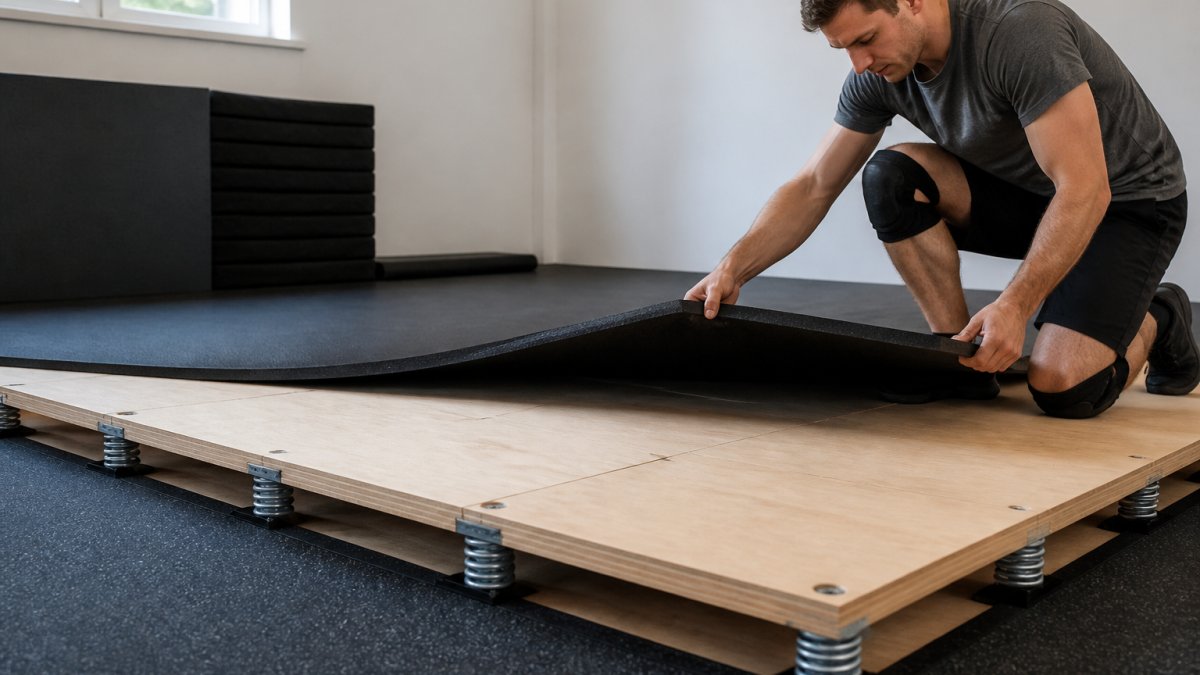
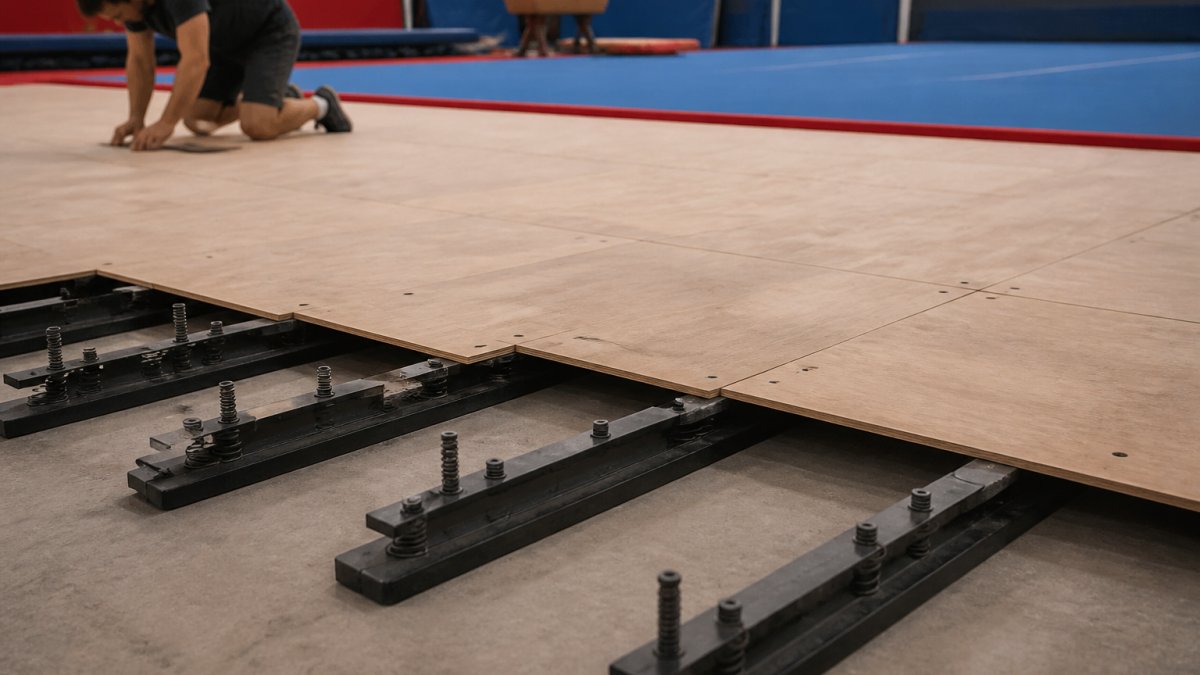
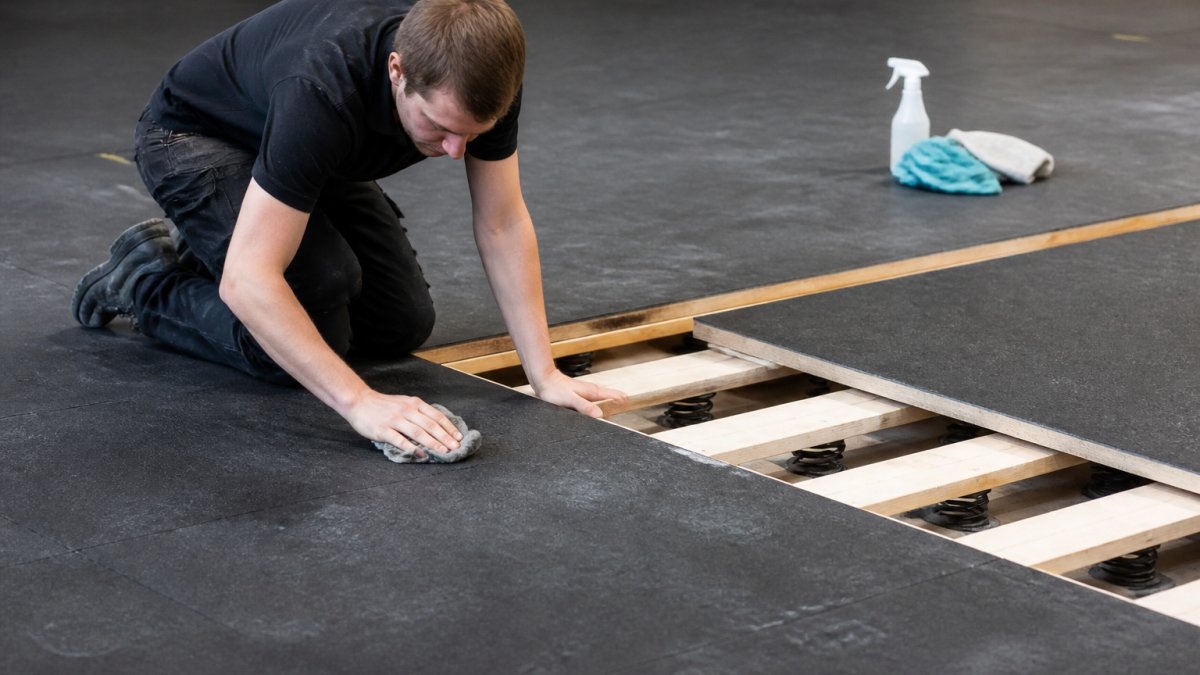
Glory and Power Enterprises manufactures high-quality competition spring floors with two-layer Baltic birch construction and power springs secured with bolt and thread-locker systems.
This guide covers how to evaluate customizable shipping for heavy gym mats, calculate freight costs, plan facility access, and confirm critical details before finalizing an order.
Understanding Gym Mat Dimensions and Weight
Standard Mat Sizes and Weight Per Linear Foot
Gym flooring systems come in standardized dimensions or fully custom configurations. Standard competition floors typically measure 42 feet by 42 feet, though cheerleading mats, martial arts training surfaces, and dance floors vary widely.
Weight per linear foot is the critical shipping metric. A high-density foam mat weighs between 3 and 8 pounds per linear foot, depending on material composition and thickness. A full 42-by-42-foot system can weigh 2,500 to 5,000 pounds or more. This weight exceeds standard parcel carrier limits, triggering freight shipping requirements immediately.
Thickness also affects weight and shipping feasibility. Mats range from 1.25 inches for basic flooring to 3 inches for high-impact training environments. Thicker mats provide better shock absorption and durability but add significant weight and volume to shipments.
Custom Configurations and Their Impact on Shipping
Custom mat sizes and configurations multiply shipping complexity. A 50-by-60-foot custom training space requires a larger freight vehicle, longer delivery windows, and more careful route planning than standard dimensions.
Customizable shipping for heavy gym mats becomes essential when specifications deviate from standard sizes. Freight companies quote based on actual dimensions and weight, not theoretical minimums. A custom 55-by-70-foot mat system may require a full truckload instead of LTL, doubling or tripling shipping costs compared to standard configurations.
Interlocking mats and rollout mat designs affect how freight companies pack and transport systems. Interlocking designs can sometimes be nested for tighter packing, reducing freight class and cost. Rollout mats may require special palletization to prevent unrolling during transit.
Freight Shipping for Gym Equipment: Options and Trade-Offs
LTL vs. Full Truckload Shipping
LTL (less-than-truckload) shipping combines shipments from multiple customers into one truck. A 2,000-pound mat system might share truck space with office furniture, machinery, or other freight. LTL works for standard-sized mats shipped to accessible facilities with minimal handling requirements.
LTL rates depend on freight class (a classification system based on density, handling difficulty, and liability). A standard 42-by-42-foot mat system via LTL typically takes 5-7 business days and involves multiple carrier handoffs.
Full truckload shipping reserves the entire truck for one customer. This option becomes economical for custom sizes, multiple mat systems, or facilities requiring fast delivery. Full truckload shipments typically arrive within 2-3 business days.
Customizable shipping for heavy gym mats means comparing these options based on budget, timeline, and facility access. A small martial arts school with a standard-sized mat might choose LTL and accept a longer delivery window.
White Glove Delivery and Unloading Services
White-glove delivery includes professional unloading, placement, and basic setup. Drivers use equipment like pallet jacks and dollies to move heavy mats from the truck into the facility. Some services include positioning mats in their final installation location, saving facility staff significant labor.
White-glove services protect against on-site damage and reduce facility staff burden during installation. For competition spring floors with complex setup requirements, white-glove delivery ensures proper handling of sensitive components like power springs and fastening systems.
Regional freight networks often provide white-glove options. These regional specialists understand local facility layouts, access challenges, and delivery windows common to specific areas. Customizable shipping for heavy gym mats frequently leverages regional carriers precisely because they offer personalized service and local knowledge.
How to Calculate Freight Costs for Heavy Mats
Freight cost depends on five variables: weight, dimensions (length × width × height when packaged), freight class, distance, and service level.
Step 1: Determine actual weight and packaged dimensions. Weigh the mat system or request weight specifications from the manufacturer.
Step 2: Calculate density. Divide weight by volume. A 3,500-pound mat in a 25-cubic-foot package has a density of 140 pounds per cubic foot.
Step 3: Request freight quotes from multiple carriers. Provide weight, dimensions, origin, destination, and desired delivery date.
Step 4: Compare total cost including accessory services. LTL might require facility staff to unload and position the mat. White-glove delivery eliminates labor and damage risk.
Step 5: Factor in timeline and facility readiness. A faster delivery option ensures the mat arrives when installation crew is scheduled.
Customizable shipping for heavy gym mats means requesting specific quotes rather than accepting standard rates.
Gym Flooring Delivery: Planning Your Facility Access
Measuring Doorways, Hallways, and Installation Routes
Before ordering, map the exact path from the loading dock to the installation space. Measure every doorway, hallway width, stairwell, and corner the mat must navigate.
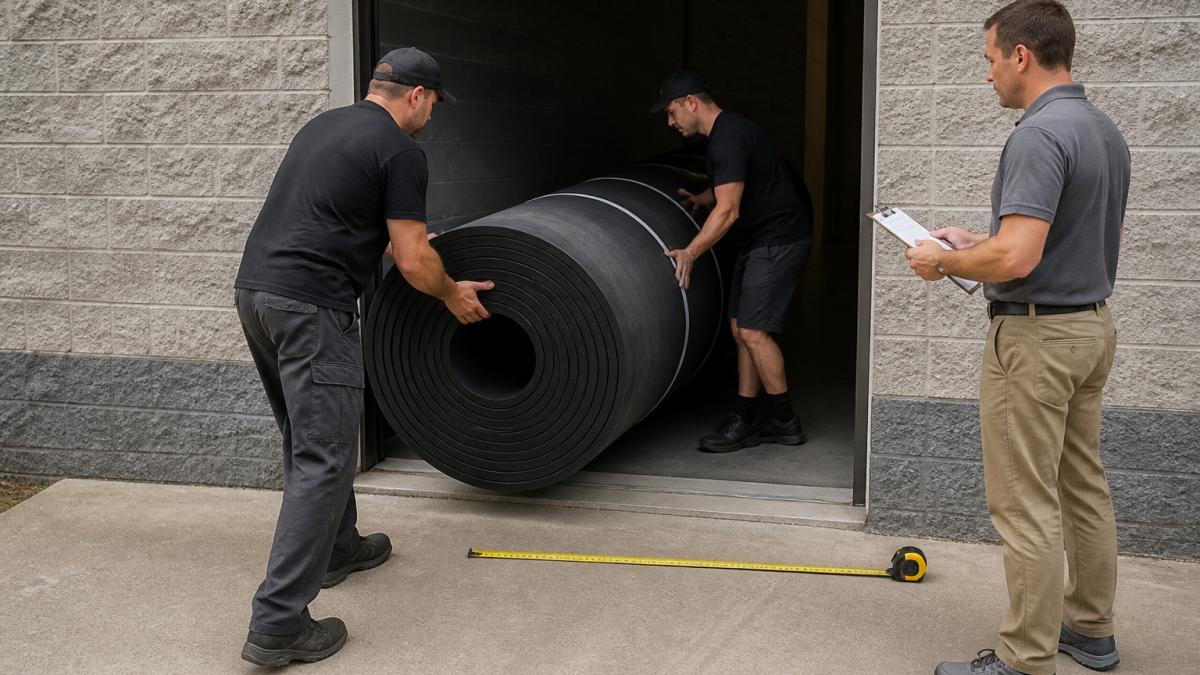
Standard doorways are 36 inches wide. A rolled mat 2 feet in diameter fits through easily. But a 4-foot-diameter roll does not. Hallways typically measure 36-48 inches.
Stairwells are frequent obstacles. Rolled mats cannot be carried up stairs in standard form. Delivery crews may need to unroll the mat partially, cut it into sections, or use equipment like stair climbers.
Measure height as well. Drop ceilings in some facilities restrict the angle at which a rolled mat can be positioned.
Provide these measurements to the freight carrier and the mat manufacturer before finalizing the order. Carriers use this information to determine if specialized equipment is needed and to quote accurate delivery costs.
Scheduling Delivery Windows and Coordinating Access
Heavy gym mat delivery disrupts facility operations. Scheduling delivery during off-hours or closed days minimizes impact on athletes and classes.
Coordinate delivery timing with installation crews. Mats should arrive when installation labor is available. Storing a 5,000-pound mat system in a hallway for days creates safety hazards and wastes facility space.
Confirm facility access with the freight carrier. Some carriers require a loading dock or flat ground for unloading. Others need facility staff present to unlock doors or move obstacles.
Request a specific delivery window, morning, afternoon, or a particular day, rather than accepting a broad "sometime next week" estimate. Professional carriers accommodate specific requests when possible.
Customizable shipping for heavy gym mats includes coordinating these logistics. Facility managers should communicate access constraints, preferred delivery dates, and on-site contact information to both the carrier and the mat manufacturer.
Packaging and Handling for Oversized Mats
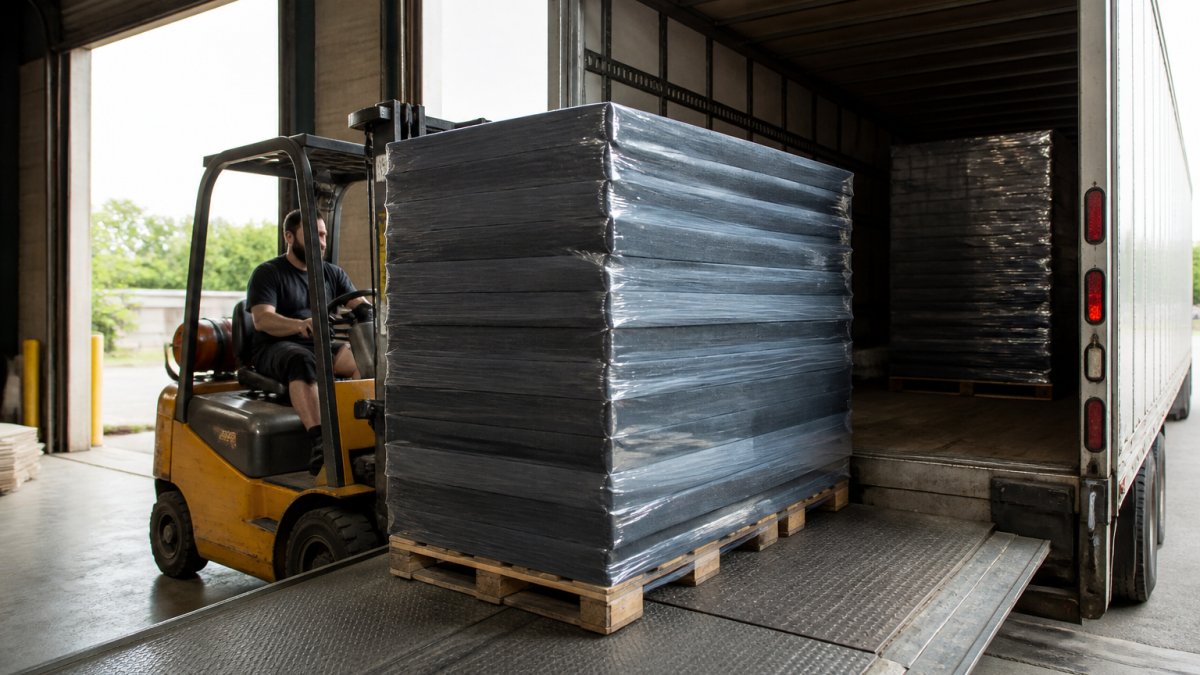
Heavy gym mats arrive in protective packaging designed to prevent damage during transit. Standard packaging includes plastic wrapping, cardboard corner protectors, and wooden pallets or skids.
Rolled mats are typically wrapped in heavy-duty plastic and secured with straps. This protects against moisture and punctures during handling. Wooden skids prevent the mat from contacting wet ground during loading and unloading.
Oversized custom mats may require specialized packaging. A 60-by-80-foot mat system might arrive in multiple sections, each individually wrapped and palletized. This reduces individual package weight and handling difficulty.
Upon arrival, inspect packaging before accepting delivery. Look for tears, punctures, water damage, or crushed corners. These signs indicate rough handling during transit. Document any visible damage with photos before the delivery crew leaves.
Customizable shipping for heavy gym mats means confirming packaging specifications with the manufacturer. Request reinforced packaging for long-distance shipments or shipments through multiple carriers.
What to Confirm Before Ordering Customizable Shipping
Before finalizing an order, confirm these details with the mat manufacturer and freight provider:
Delivery method. Will the order ship via LTL, full truckload, or regional carrier? Does the facility qualify for white-glove delivery?
Freight class and estimated cost range. Request a quote based on actual packaged weight and dimensions.
Delivery timeline. How many business days from order to arrival? Does the manufacturer offer expedited delivery, and at what cost?
Facility access requirements. Does the carrier need a loading dock, flat ground, or specific access route?
Packaging specifications. How is the mat wrapped and palletized? Are pallets returnable, and who handles removal?
Damage claims process. If the mat arrives damaged, what is the procedure for filing a claim? Does the manufacturer or carrier handle claims? What documentation is required?
Regional customization options. Does the manufacturer offer regional carriers in the facility's area? Can the customer request a specific carrier or delivery company?
Installation support. Does the manufacturer provide installation guidance or recommend local installation crews?
Customizable shipping for heavy gym mats is most effective when facility managers ask these questions before placing the order.
Damage Inspection and Claims After Arrival
Upon delivery, inspect the mat immediately. Do not accept delivery if the packaging shows obvious damage or if the mat cannot be inspected before the truck leaves.
Open the packaging carefully and look for:
- Dents or compression marks on the mat surface
- Tears or punctures in the covering material
- Discoloration or moisture damage
- Separation or delamination of foam layers (if applicable)
- Damage to fastening systems or hardware (for spring floors)
Take detailed photos of any damage. Note the date, time, and names of delivery personnel. Request a signed damage report from the delivery driver if damage is visible.
For high-density foam and spring floor systems, minor surface marks may not affect performance. But punctures, deep dents, or delamination can compromise durability and athlete safety.
Contact the manufacturer within 24 hours if damage is discovered. Provide photos and the damage report. Most manufacturers have a claims process that compensates for shipping damage or arranges replacement.
Customizable shipping for heavy gym mats should include a clear damage claims process.
Facility managers investing in professional-grade gym flooring face real logistics challenges.
Frequently Asked Questions
How are heavy gym mats shipped, and what are the main shipping methods?
Heavy gym mats are typically shipped via freight carriers using either less-than-truckload (LTL) or full truckload service, depending on order size and weight. LTL works for smaller orders or single mats under 5,000 pounds; full truckload is more economical for bulk custom gym flooring orders. White-glove delivery options include unloading and placement inside your facility, which adds cost but eliminates your labor. Shipping calculated at checkout depends on mat dimensions, weight per linear foot, destination zip code, and service level selected.
What should I confirm before ordering shipping for heavy gym mats?
Before finalizing your order, confirm mat dimensions and total weight, your facility's door and hallway widths to ensure access, whether you need white-glove unloading, your preferred delivery date and time window, and any access restrictions (stairs, elevators, tight turns). Ask your supplier whether the quote includes packaging and handling fees. Get the carrier's contact information so you can confirm the delivery appointment 24 hours before arrival.
How do I estimate the shipping needs for gym flooring?
Start by calculating your total mat weight: multiply the weight per linear foot by the number of linear feet you're ordering. Measure your facility's footprint and note any custom size requirements. Determine whether LTL or full truckload shipping fits your budget and timeline. Request a shipping quote from your supplier by providing destination zip code, mat dimensions, total weight, and desired delivery method. Factor in unloading labor if you're not using white-glove service.
Can custom gym mats be delivered directly to my facility, and what access should I prepare?
Yes, custom gym mats can be delivered directly to your facility when you arrange customizable shipping with your supplier. Before delivery, measure all doorways, hallways, and stairs on the route from the loading dock to the installation area to ensure the rolled or folded mat can pass through. Clear the path of obstacles and ensure adequate space for the delivery crew to position equipment. If your facility has limited access (narrow doors, multiple turns, or upper floors), inform your supplier in advance, they may recommend partial delivery or assembly on-site. Coordinate with your facility manager to have staff present during the delivery window.