 How-to
How Long Does a Professional Dance Floor Last?
Last Updated: November 8, 2026
Quick Summary
How long does a professional dance floor last depends mainly on the floor type and how heavily it is used. Sprung wood surfaces typically last 10 to 15 years under daily classes, while Marley vinyl over a sprung or solid subfloor typically lasts 5 to 8 years and portable panel floors 3 to 5 years.
- Sprung wood surfaces last 10 to 15 years under typical daily class use.
- Marley vinyl over a sprung or solid subfloor typically lasts 5 to 8 years.
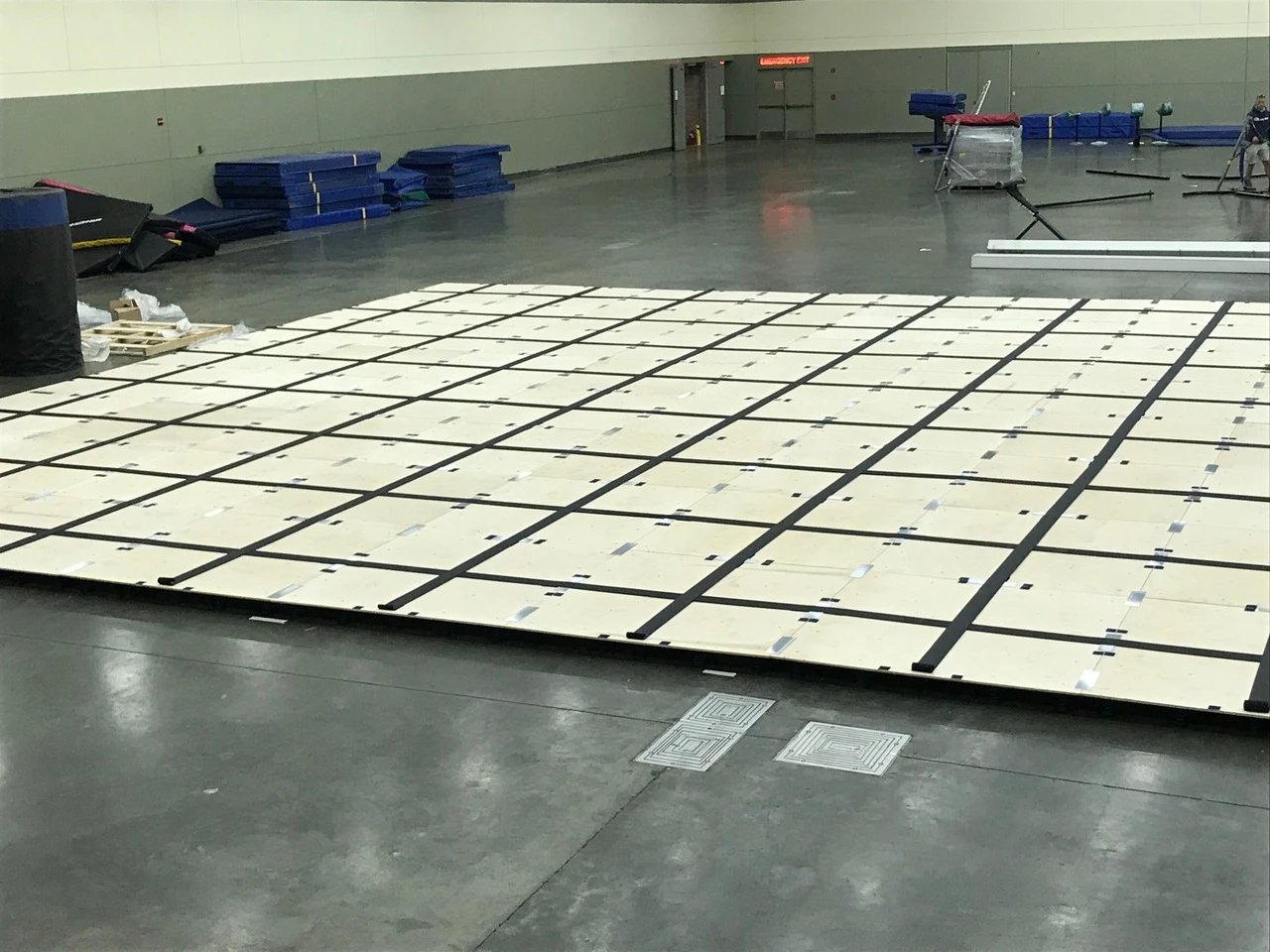
- Portable panel floors typically last 3 to 5 years under daily classes.
- Heavy use with outside shoes and grit can cut a floor's life substantially.
- Inspect the floor on a schedule, since waiting for visible wear can mean structural damage.
Table of Contents
- How Long a Professional Dance Floor Typically Lasts
- Dance Floor Lifespan by Material and Use Intensity
- Sprung Floor Construction and How It Affects Service Life
- Professional Dance Floor Maintenance That Extends Service Life
- Dance Floor Replacement Signs to Inspect For
- Repair Versus Replacement and Lifecycle Cost
- Planning Your Next Floor Decision for Your Facility
- Frequently Asked Questions
How Long a Professional Dance Floor Typically Lasts
How long a professional dance floor lasts depends on the floor type, how often it is used, and how well it is looked after. Heavy daily training puts far more wear on a surface than occasional rehearsal, so two floors of the same age can be in very different condition.
Owners often ask for one number, but the honest answer depends on usage. A studio running classes six days a week will see its floor age much faster than a small school using its space twice a week. Inspect the floor each year to see how it is holding up.
Watch out: waiting until the surface looks worn before acting often means the damage has already reached the structure underneath. Check the floor on a schedule instead of only when something seems wrong.
Dance Floor Lifespan by Material and Use Intensity
Material and use intensity together decide how long a floor stays serviceable, which is the real answer to how long does a professional dance floor last. The same Marley surface that lasts a decade in a twice-weekly school program can wear through in half that time in a studio running back-to-back classes. Plan around both variables, not one.
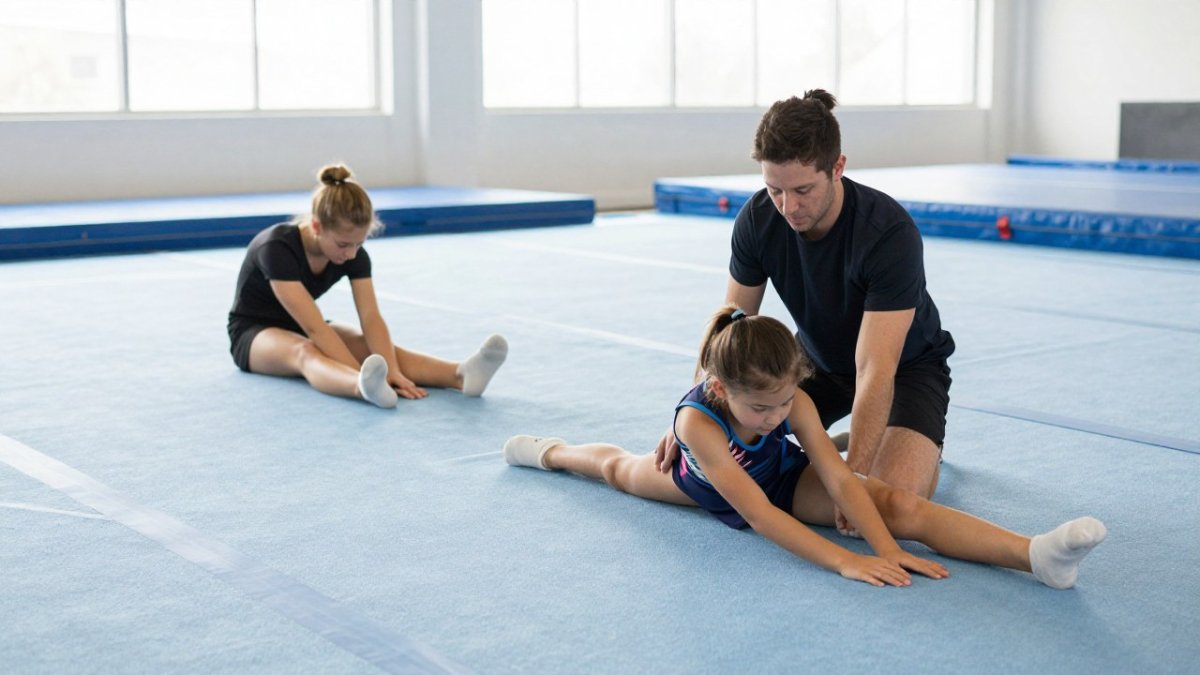
Here is how the main floor types typically behave, with separate expectations for light, typical, and heavy use. These are planning ranges drawn from common industry practice, not guarantees, always confirm the manufacturer's stated usage assumptions and warranty terms.
| Floor Type | Light Use (a few sessions/week) | Typical Use (daily classes) | Heavy Use (long daily hours, mixed footwear) |
|---|---|---|---|
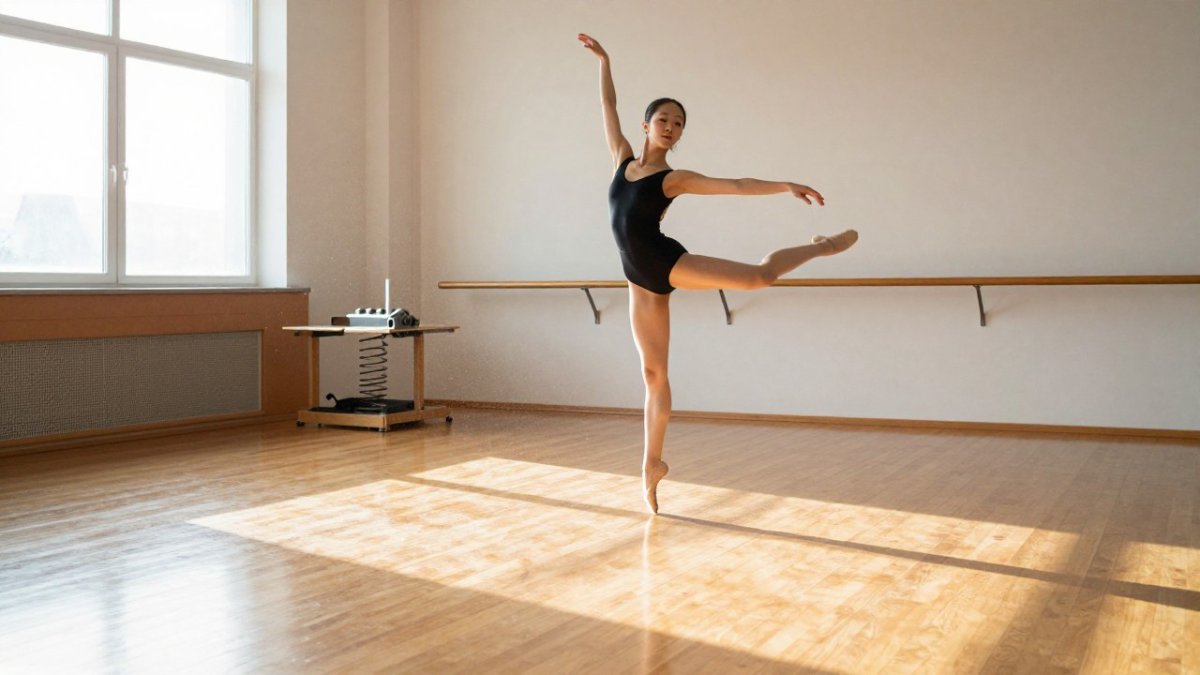
| Sprung wood surface | 15+ years | 10 to 15 years | 7 to 10 years |
| Marley (vinyl) over sprung or solid subfloor | 8 to 10 years | 5 to 8 years | 3 to 5 years |
| Portable panel floor | 5 to 7 years | 3 to 5 years | 2 to 3 years |
Typical Use (daily classes)
How each material actually wears. Wood surfaces fail slowly: the finish abrades in high-traffic lanes, boards cup or crown as humidity swings, and fasteners loosen. A wood floor that is sanded and refinished on schedule can outlast its original surface by years. Marley is a sacrificial wear layer, it is designed to be replaced. Its vinyl plasticizers migrate and evaporate over time, so the surface stiffens, loses traction, and can crack at seams even when it looks intact. Portable panels wear at their joints and locking hardware first, because every setup and teardown stresses the connections.
What pushes a floor toward the lower end of its range. Outside shoes tracked onto the surface grind grit into the finish. Heavy equipment dragged without a protector gouges vinyl and dents wood. Direct sunlight through windows fades and embrittles Marley. Large humidity swings warp wood and open seams. None of these are exotic, they are the everyday conditions that separate a 15-year floor from a 7-year one.
Sprung Floor Construction and How It Affects Service Life
A sprung floor sits on a layer of springs or resilient supports, which absorb impact and reduce strain on joints. That construction is a big reason many athletes prefer it. It also means the floor has more moving parts than a flat, solid base, and those parts wear over time.
When you evaluate a floor, ask how the springs are secured and what the base layers are made of.
Professional Dance Floor Maintenance That Extends Service Life
Routine care is the most affordable way to get more years out of a floor. Most studios follow a simple schedule:
- Daily: Dry mop or sweep to remove grit that can scratch the surface.
- Weekly: Clean with a pH-neutral product recommended by the manufacturer.
- Monthly: Check edges, seams, and fasteners for loosening.
- Yearly: Have a qualified inspector look at the springs and base structure.
Environment affects service life as well. Keep humidity and temperature steady, since large swings can warp wood and loosen seams. Enforce a no-outside-shoes rule wherever possible, because grit and heel marks do more damage than almost anything else.
Using a floor protector for heavy equipment, and avoiding harsh chemicals that can break down finishes, both help. A consistent routine usually costs far less than an early replacement.
Dance Floor Replacement Signs to Inspect For
A repeatable inspection beats a gut feeling. Walk the floor on a set schedule, quarterly for heavy-use studios, twice a year for lighter programs, and score each item below as pass, monitor, or fail. Several fails, or a fail in a structural category, points toward replacement rather than another patch. Learn to spot worn springs early before they cause structural failure.
Surface wear. Look for lanes where the finish has worn through to bare wood or where Marley has thinned enough to show the subfloor color. Isolated scuffs are cosmetic; wear that spans a high-traffic lane and exposes the layer beneath is a replacement signal for that surface.
Seams and edges. Check every seam and the perimeter. Seams that lift, curl, or will not stay closed after re-taping indicate adhesive failure or moisture movement. Lifting edges are a trip hazard and usually spread.
Traction changes. Compare how the surface feels in worn lanes versus untouched areas. Marley that has stiffened or gone slick has lost plasticizer and will not recover with cleaning. A sudden change in slip resistance is a safety issue, not a cosmetic one.
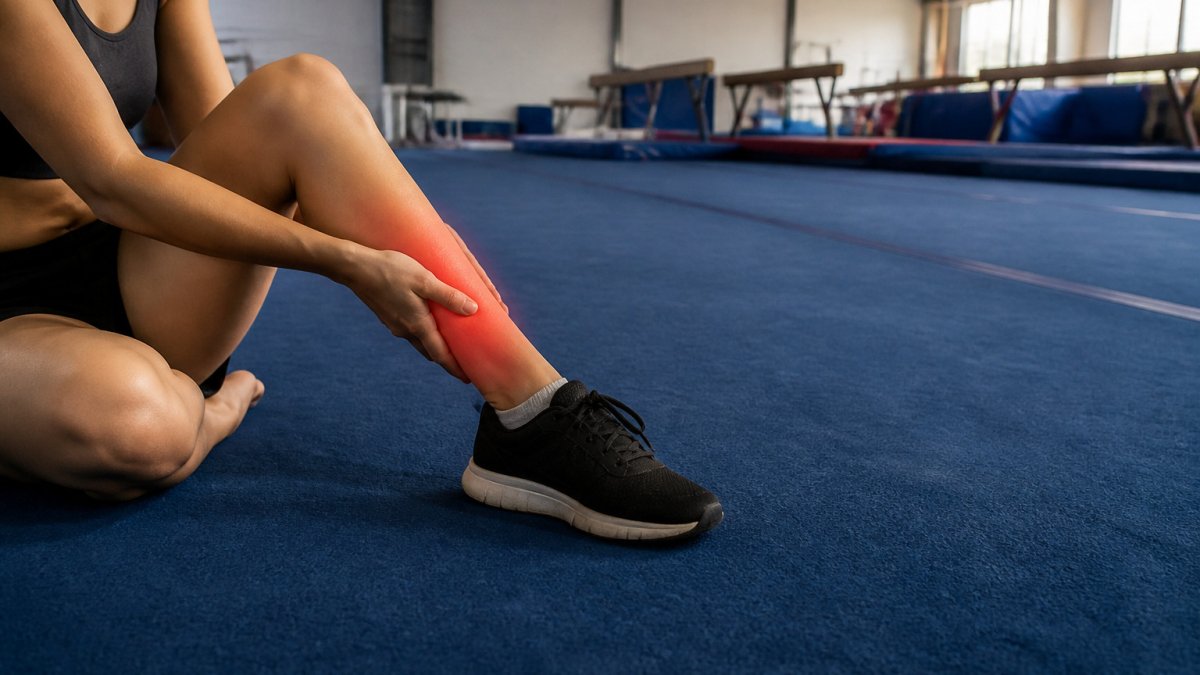
Bounce and shock absorption. Drop a hand or heel onto the floor at several points and compare. Dead spots, inconsistent rebound, or a floor that feels harder than it used to suggest fatigued springs or a softened subfloor. This is the category most owners miss because it is invisible until someone is injured.
Structural movement. Boards that flex, creak, or move underfoot, springs that feel weak or uneven, and fasteners that keep loosening all point to the structure rather than the surface. Structural fails are the clearest case for replacement.
Moisture and odor. Persistent musty odor, staining, or swelling near walls and entries signals water intrusion. Moisture damage rarely stays contained.
Document each inspection with dated photos and a simple written log. Tracking changes year over year is what turns a vague worry into a defensible repair-or-replace decision, and it gives you evidence when you talk to a manufacturer about warranty coverage.
Watch out: judging a floor only by how it looks under normal lighting hides traction loss and dead spots. Inspect under raking light and test bounce at multiple points before you conclude the floor is fine.
Repair Versus Replacement and Lifecycle Cost
Replacement becomes the better choice when problems are widespread, when repeated repairs keep recurring, or when the floor no longer meets the demands of your training. You can browse the sprung dance floor options available to compare replacements.
Compare the cost of repair against the remaining useful life you would gain. A repair that buys two years on a floor with eight years of service left can be worth it. A repair that buys a few months on a failing floor usually is not.
Lifecycle cost is the better way to judge a floor. Divide the total cost of purchase, installation, maintenance, and any repairs by the years you expect it to last. A higher-quality floor that lasts longer can cost less per year than a cheaper one that needs early replacement. Pricing depends on quantity, dates, and delivery, so request a current quote from Glory and Power Enterprises for your specific project.
Once you understand the lifecycle picture, you can see how the financing options and the timing of a purchase fit your budget. Glory and Power Enterprises offers financing options.
Planning Your Next Floor Decision for Your Facility
Start by checking the age, condition, and use level of your current floor against the lifespan ranges above. Then decide whether to maintain, repair, or replace based on the inspection signs and the lifecycle math. Make the decision on a timeline that avoids rushed purchases before a season or competition.
Set a yearly review date, keep inspection notes, and budget for the next replacement in advance. Planning ahead keeps training uninterrupted and gives you more options when it is time to choose.
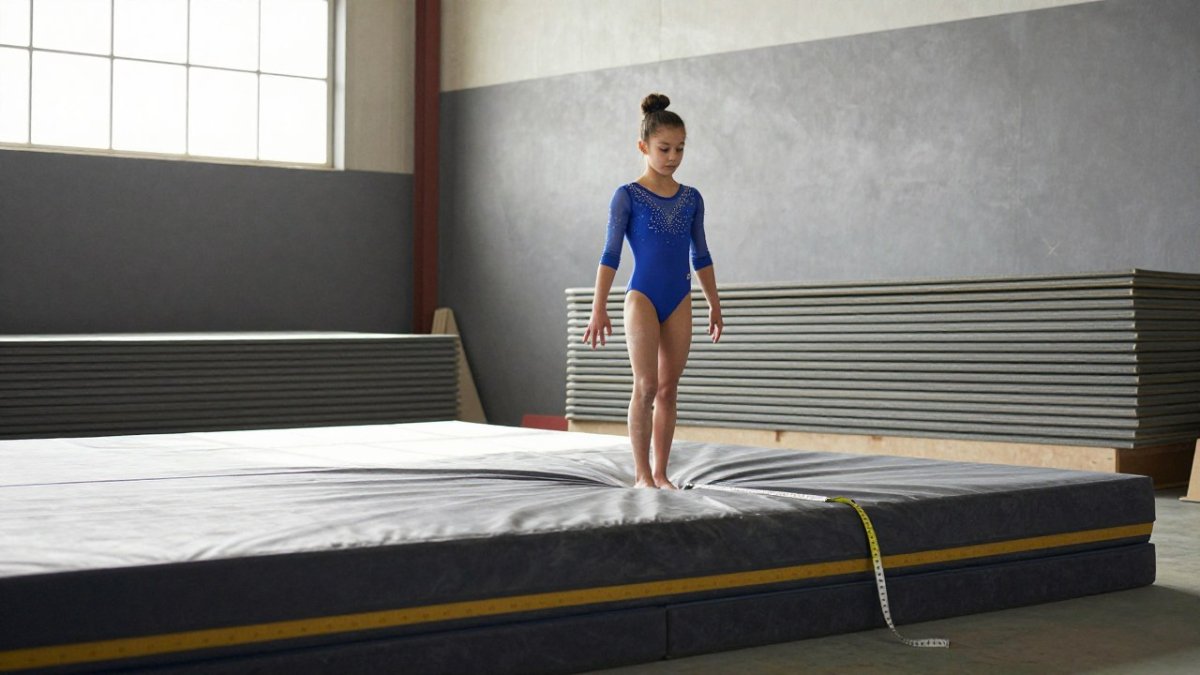
For a floor built for competitive training, Glory and Power Enterprises manufactures two-layer Baltic birch sprung floors with power springs secured by bolt and thread-locker, along with Marley dance floors and landing mats. Visit the Glory and Power Enterprises website to browse options and request a quote for your facility.
Frequently Asked Questions
How long does a professional dance floor last?
A professional dance floor often lasts many years, but the exact figure depends on the floor type, how many hours it is used each week, and how well it is maintained. Lighter studio use typically extends service life considerably compared with daily high-traffic training. Glory and Power Enterprises does not publish a universal lifespan figure for every installation, so for an estimate based on your facility's usage, contact the company directly through its website for a quote and guidance.
What affects the lifespan of a sprung dance floor?
The main factors are the intensity and frequency of use, the quality of the sprung construction and fastening, the condition of the subfloor, and routine care. Heavy jumping and tumbling, outside shoes on the surface, and moisture or debris all accelerate wear. Regular inspection of the surface and hardware helps catch problems before they shorten the floor's useful life.
How can you tell when a dance floor needs to be replaced?
Common replacement signs include surface wear that exposes the underlayer, boards or panels that flex or feel uneven, loose or failing fasteners, springs that no longer return the surface consistently, and persistent moisture damage. If repairs would address only a small part of the floor while the rest shows the same wear, replacement is usually the more practical choice. A periodic structured inspection makes these changes easier to track.
How do you maintain a professional dance floor?
Daily dry mopping or sweeping removes grit that grinds into the surface, and a routine schedule should include checking for loose hardware and wiping spills promptly. Enforce a rule that only clean, soft-soled shoes are worn on the floor. Use only cleaning products the manufacturer recommends so the finish is not damaged over time.