 listicle
Buy Baltic Birch Spring Floors: 2026 Buyer's Guide
Table of Contents
- What Makes Baltic Birch Spring Floors the Standard for Competition
- How to Choose a Competition Spring Floor: Key Specifications
- Gymnastics Spring Floor Hardware Kits and Assembly Options
- Marley Dance Floor for Home Studios and Specialty Applications
- Installation, Freight, and Lead Time Expectations
- Maintenance and Long-Term Care for Baltic Birch Spring Floors
- Safety Certifications and Performance Standards
- Frequently Asked Questions
Last Updated: September 25, 2026
What Makes Baltic Birch Spring Floors the Standard for Competition
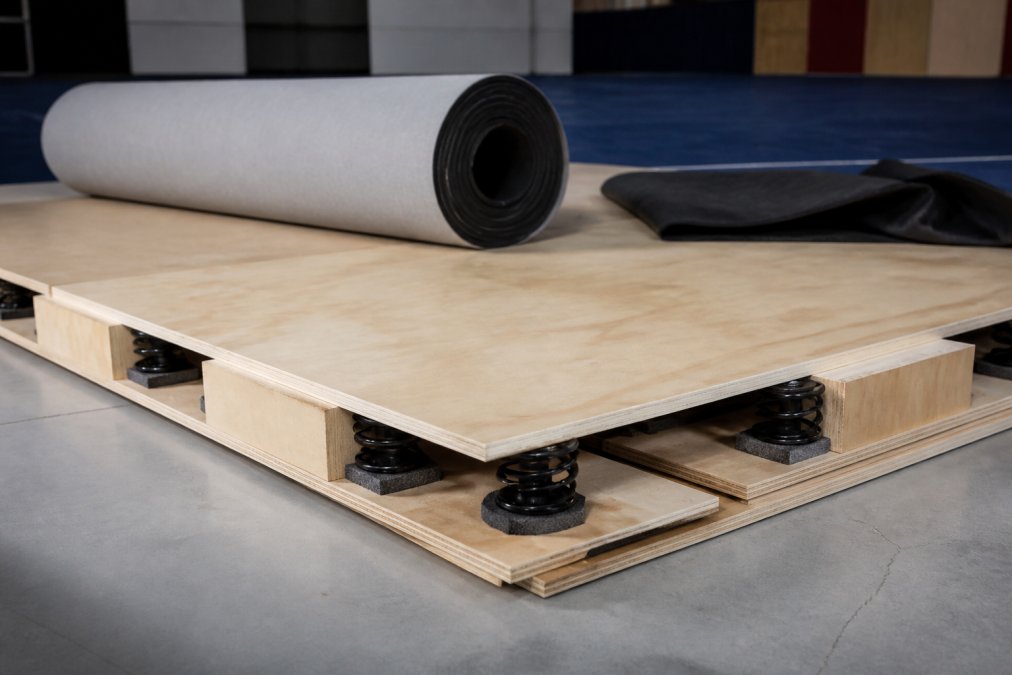
A professional-grade baltic birch spring floors system determines whether athletes can train safely at peak intensity. The two-layer construction, advanced spring technology, and precision engineering separate competition-level flooring from basic alternatives.
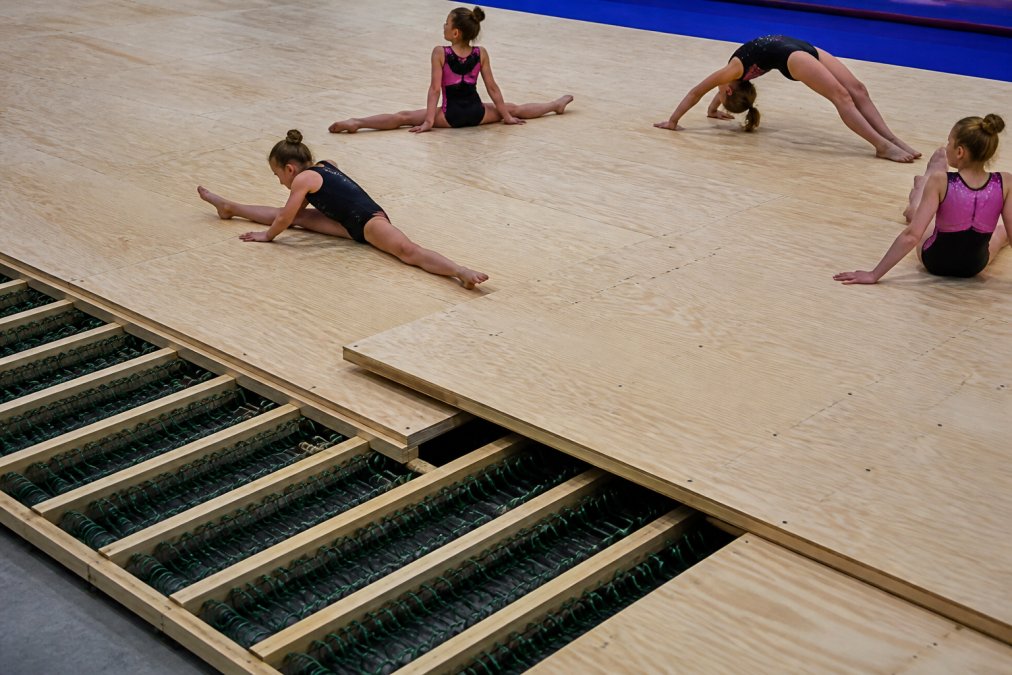
Baltic birch's density and stability make it the material of choice for gymnastics facilities, cheerleading gyms, and martial arts studios where impact absorption directly affects athlete safety and performance. The top layer absorbs shock while the bottom layer distributes force evenly across the spring system.
Glory and Power Enterprises manufactures baltic birch spring floors with power springs secured by bolt and thread-locker fastening systems, ensuring consistent performance through years of intensive training.
Spring density directly impacts floor response to landings and explosive movements, preventing stress concentration in high-traffic areas and extending lifespan.
How to Choose a Competition Spring Floor: Key Specifications
When evaluating a spring floor system, focus on technical specifications that determine performance and durability.
Two-Layer Plywood Construction vs. Single-Layer Systems
The two-layer design is the industry standard for competition environments, using 9mm Baltic birch plywood on both surfaces for superior structural integrity.
Single-layer systems cost less initially but sacrifice bounce response and require more frequent foam replacement, adding maintenance expenses over time.
Spring Density and Impact Absorption Standards
Spring density determines force absorption and return speed. Higher density means better shock attenuation and consistent performance across the floor.
Competition floors use springs positioned for uniform load-bearing capacity, compressing evenly to absorb impact and prevent jarring movements that increase injury risk.
A properly engineered spring system supports both lightweight and heavier athletes without degrading performance.
Panel Thickness and Load-Bearing Capacity
Standard competition floors use 9mm plywood panels, balancing structural support and athletic performance.
Thicker panels increase load-bearing capacity but reduce responsiveness; thinner panels sacrifice structural integrity.
Competition-grade systems support concentrated loads from multiple athletes and equipment without permanent deformation.
Gymnastics Spring Floor Hardware Kits and Assembly Options
The fastening system determines floor longevity. A poorly secured floor develops squeaks and uneven surfaces within months; a properly fastened system performs consistently for a decade or more.
Bolt and Thread-Locker Fastening Systems
Bolt and thread-locker systems prevent boards from shifting during use. The thread-locker compound prevents vibration from loosening bolts over time, critical in high-impact environments.
Bolts pass through pre-drilled holes and secure the spring assembly. The thread-locker compound forms a mechanical lock that resists loosening without making the bolt permanent.
Bolt systems require precise hole alignment; misalignment can crack plywood or strip threads. Installation takes longer but durability justifies the extra care.
Glory and Power Enterprises secures power springs using bolt and thread-locker technology, ensuring the floor deck remains stable through intense training sessions. This fastening method helps eliminate squeaking, movement, and performance degradation.
Hook and Loop Fastener Coverage for Foam Bonding
Hook and loop fasteners secure carpet bonded foam to the plywood surface while remaining replaceable, critical for long-term maintenance.
The hook side adheres to plywood; the loop side bonds to foam backing. When pressed together, they create a strong mechanical grip without adhesive that would complicate replacement.
One linear foot of hook and loop fastener per board is standard, but coverage density varies. Higher coverage prevents foam bunching in high-traffic areas; lower coverage reduces cost but risks foam shifting.
Hook and loop fasteners allow foam replacement without disturbing the spring system.
Comparing Fastening Systems: When to Choose Each
Choose bolt and thread-locker systems for competitive training, sanctioned competitions, or multi-athlete sessions where concentrated loads are common.
Hook and loop fasteners are essential for facilities planning long-term foam replacement cycles, justifying upfront cost over 10+ years of operation.
Many professional facilities use both systems for maximum durability and maintainability.
Marley Dance Floor for Home Studios and Specialty Applications
A Marley dance floor offers different performance characteristics than spring floors and serves specific applications. Understanding when to choose each prevents costly mistakes.
Marley surfaces provide smooth glide suitable for dance styles requiring sliding movements, reducing friction while maintaining grip.
Home studios often choose Marley over spring systems due to lower installation complexity and cost. The surface works well for dance, ballet, and contemporary styles.
Glory and Power Enterprises manufactures Marley dance floors alongside spring systems, recognizing that different disciplines require different surfaces.
Choose based on primary activities: gymnastics facilities need responsive springs; dance studios benefit from Marley surfaces.
Installation, Freight, and Lead Time Expectations
Understanding installation, freight logistics, and timelines prevents costly delays and ensures optimal performance from day one.
DIY Installation: What to Expect Step-by-Step
DIY installation is feasible for owners with technical aptitude and proper tools.
Step 1: Site Preparation and Measurement (4-6 hours) The subfloor must be clean, level, and measured precisely, flat within 1/8 inch over 10 feet. Uneven subfloors cause uneven spring tension and premature wear. Measure multiple times; a 1/2 inch error compounds across a 42'x42' floor.
Step 2: Spring Assembly and Layout (8-12 hours) Position springs according to the floor plan, ensuring uniform spacing and tension to within 1/4 inch of specification. Uneven spacing causes soft spots and premature wear.
Step 3: Plywood Layer Installation (12-16 hours) Secure the bottom plywood layer to the spring system with bolts, tightening in a cross pattern. Use a torque wrench set to manufacturer specifications (typically 40-60 foot-pounds) to prevent cracking or stripping. Install the top layer using the same bolt pattern, verifying flush alignment before fully tightening.
Step 4: Foam and Carpet Bonding (6-8 hours) Bond the carpet foam layer to the top plywood surface. If using hook and loop fasteners, apply the hook side to plywood and press foam firmly into place, working end-to-end to avoid air pockets.
Step 5: Sealing and Final Inspection (4-6 hours) Seal seams and edges to prevent moisture infiltration. Inspect for gaps, misalignment, or soft spots, verifying consistent bounce across the surface.
When to Choose Professional Installation
Professional installation ensures the floor is assembled to specification and performs optimally from day one.
Choose professional installation if your facility cannot afford downtime, the subfloor requires significant preparation, or you lack fastening experience.
Freight Logistics and Lead Time Planning
Freight logistics require careful planning to coordinate delivery with installation schedules and prevent training disruptions.
Manufacturing Timeline: 10-12 working days Standard configurations begin production immediately. Custom dimensions may require 14-16 working days.
Quality Inspection: 2-3 working days All components undergo inspection to catch defects before shipment.
Packaging and Preparation: 2-3 working days Components are packaged to prevent damage during transport.
Freight Coordination: 3-7 working days Transportation time depends on delivery region. Schedule delivery to begin installation promptly and avoid moisture damage.
Total Lead Time: 17-25 working days from order to delivery.
| Component | Timeline | Notes |
|---|---|---|
| Manufacturing | 10-12 working days | Standard lead time for custom configurations |
| Quality inspection | 2-3 working days | Ensures all components meet specifications |
| Packaging and preparation | 2-3 working days | Protects flooring during transport |
| Freight coordination | 3-7 working days | Depends on delivery region and distance |
| Total lead time | 17-25 working days | Plan accordingly for facility timelines |
Coordinating Delivery and Installation
Schedule delivery the day before installation to inspect components for damage and verify all parts are present.
Glory and Power Enterprises coordinates freight delivery to ensure flooring arrives in proper condition. Confirm the delivery window and ensure someone is present to inspect the shipment.
Maintenance and Long-Term Care for Baltic Birch Spring Floors
A properly maintained spring floor system delivers consistent performance.
Inspect regularly for wear, soft spots, or uneven bounce to catch problems early.
Clean with appropriate products that don't damage wood or foam, avoiding harsh chemicals.
Monitor the fastening system periodically.
Safety Certifications and Performance Standards
Competition-grade flooring must meet specific safety standards that protect athletes during training and competition. Understanding these standards ensures facilities invest in properly certified equipment.
Frequently Asked Questions
Why is Baltic birch preferred for gymnastics spring floors?
Baltic birch offers superior structural integrity, durability, and consistent performance under high-impact training. Its multi-ply hardwood construction resists warping and provides reliable shock attenuation, which protects athletes from injury while delivering the responsive bounce required for competitive gymnastics. The wood's density supports the spring system's load-bearing capacity and ensures long-term resilience.
What is the difference between a two-layer Baltic birch spring floor and a single-layer system?
Two-layer systems stack 9mm Baltic birch panels to create enhanced structural integrity and superior impact absorption. Single-layer floors cost less but offer reduced bounce and durability. Two-layer designs are engineered for commercial-grade performance in competitive gymnastics facilities, while single-layer options work for lighter-use environments or when paired with carpet bonded foam for additional cushioning.
How do you maintain a Baltic birch sprung floor?
Regular maintenance includes sweeping debris, inspecting springs for corrosion or damage, and checking fastening hardware. Avoid excessive moisture, which can cause warping. Periodically verify that hook and loop fastener top boards remain secure and that the foam and carpet bonding hasn't degraded.
Are Baltic birch spring floors suitable for dance studios, or just gymnastics?
Baltic birch spring floors work well for both gymnastics and dance. Many dance studios choose Marley dance floors for home studios paired with Baltic birch decks to create a professional performance surface. The spring system's vibration dampening and shock attenuation benefit dancers by reducing joint strain during repetitive movements, making them a versatile choice for multiple athletic disciplines.
What lead time and freight options should I expect when ordering a Baltic birch spring floor?
Lead times typically range from 17-25 working days depending on configuration and current production schedules. Customizable shipping regions allow you to coordinate delivery logistics based on your facility's location and access. Contact the manufacturer directly for current timelines and freight quotes, as shipping costs depend on floor size, weight, and delivery distance.