 Listicle
Are Portable Dance Floor Mats Worth the Investment?
Quick Summary
Portable dance floor mats are worth it for dancers who need a surface they can set up quickly, move between spaces, and store away. Their value depends on how often you assemble the floor and whether its surface suits your dance style. They are not a substitute for a sprung or purpose-built studio floor.
- Interlocking portable floors can be assembled without tools and moved to a new location.
- Match the surface to your style: firm tops suit tap, while cushioning suits floor work.
- Check the subfloor for loose boards, gaps and slopes before assembling tiles.
- Ask about beveled edge pieces or ramps to avoid a toe-catching lip at the perimeter.
- Treat injury-reduction claims as marketing, since the research does not confirm them.
Table of Contents
- What Portable Dance Floor Mats Are and How They Work
- Key Benefits of Portable Dance Floor Mats
- Benefits by Dance Style and Activity
- Materials Compared: Pros and Cons of Common Mat Types
- Safety Trade-Offs, Limitations, and Surface Checks
- Caring for and Maintaining Your Dance Floor
- Choosing the Right Floor for Your Practice Space
- Frequently Asked Questions
Portable dance floor mats suit dancers, studios and home practitioners who need a surface they can set up quickly and store away. The real question is whether their benefits justify the cost compared with a bare room or permanent floor. This guide covers what these floors do well, where they fall short, and how to decide if one is worth it.
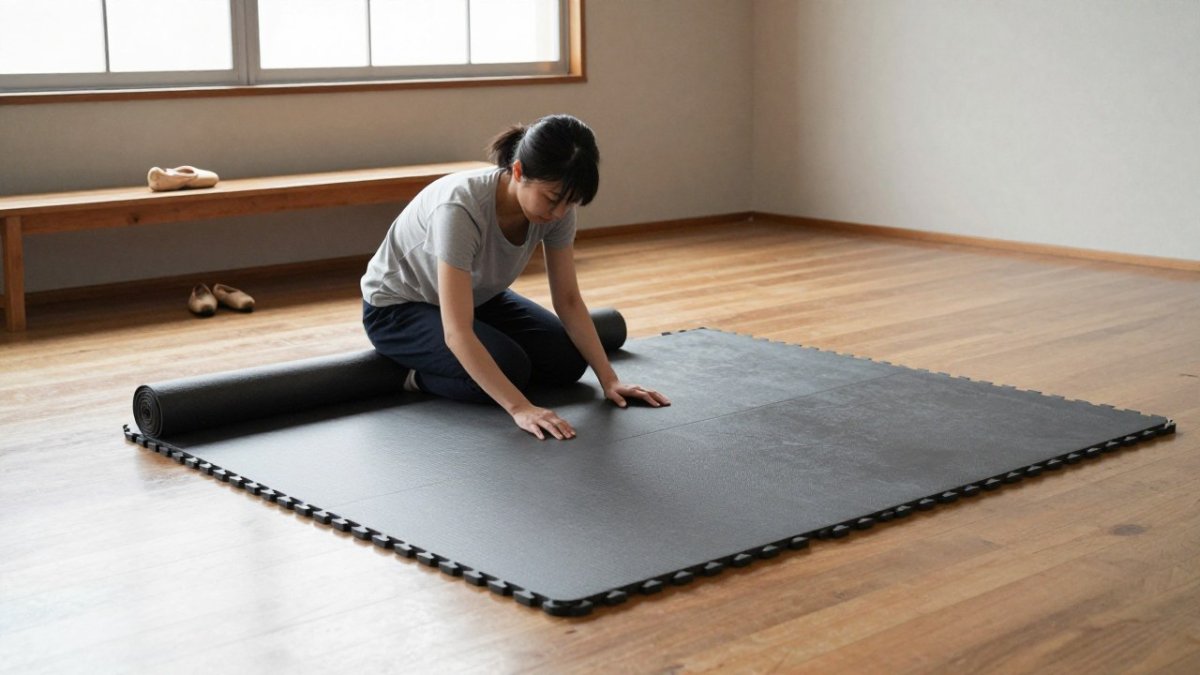
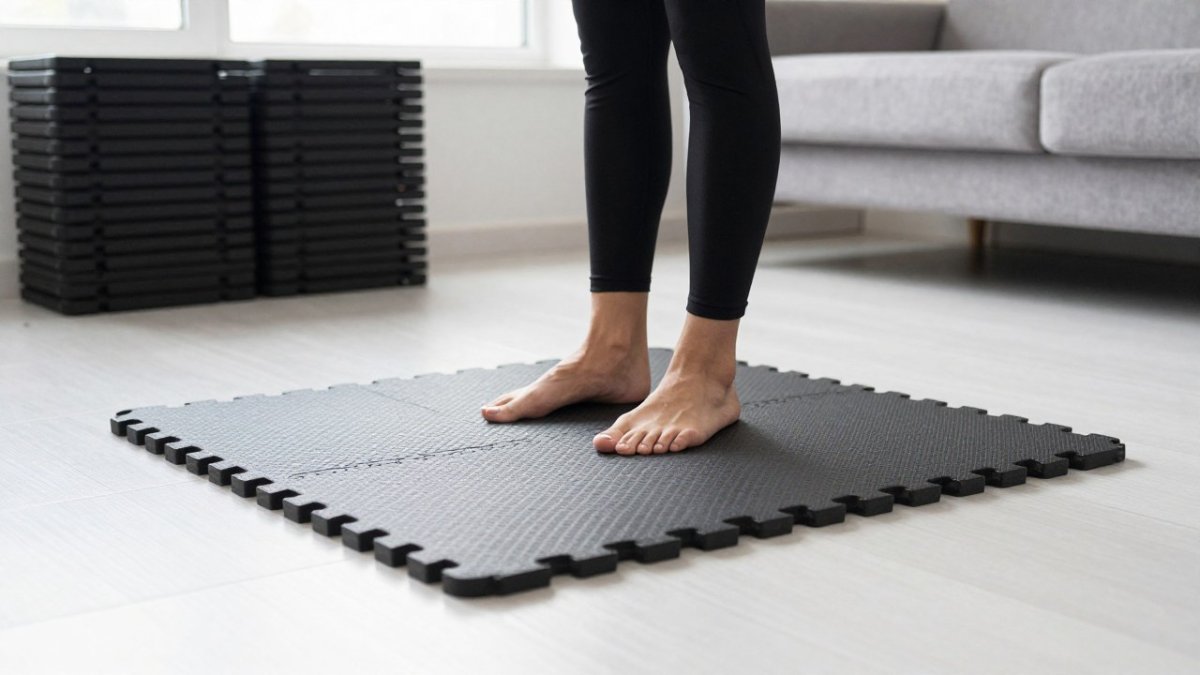
Portable dance floors are typically interlocking tiles or panels that snap into a flat, continuous surface, often with no tools required.
What Portable Dance Floor Mats Are and How They Work
A portable dance floor mat is a modular surface designed to be laid over a room floor, unrolled or assembled, then taken up when the session ends. Most systems use interlocking edges so individual pieces lock together. Some are sold as tile kits, others as rolled or folding mats.
Each tile or panel connects to its neighbors to form a level surface sized to the room. Because the floor is not bonded to the subfloor, it can move to a new location.
Not every product works the same way. Some are meant for light practice, while others use thicker padding for impact. Check the construction before assuming any portable floor performs like a sprung or Marley surface.
Key Benefits of Portable Dance Floor Mats
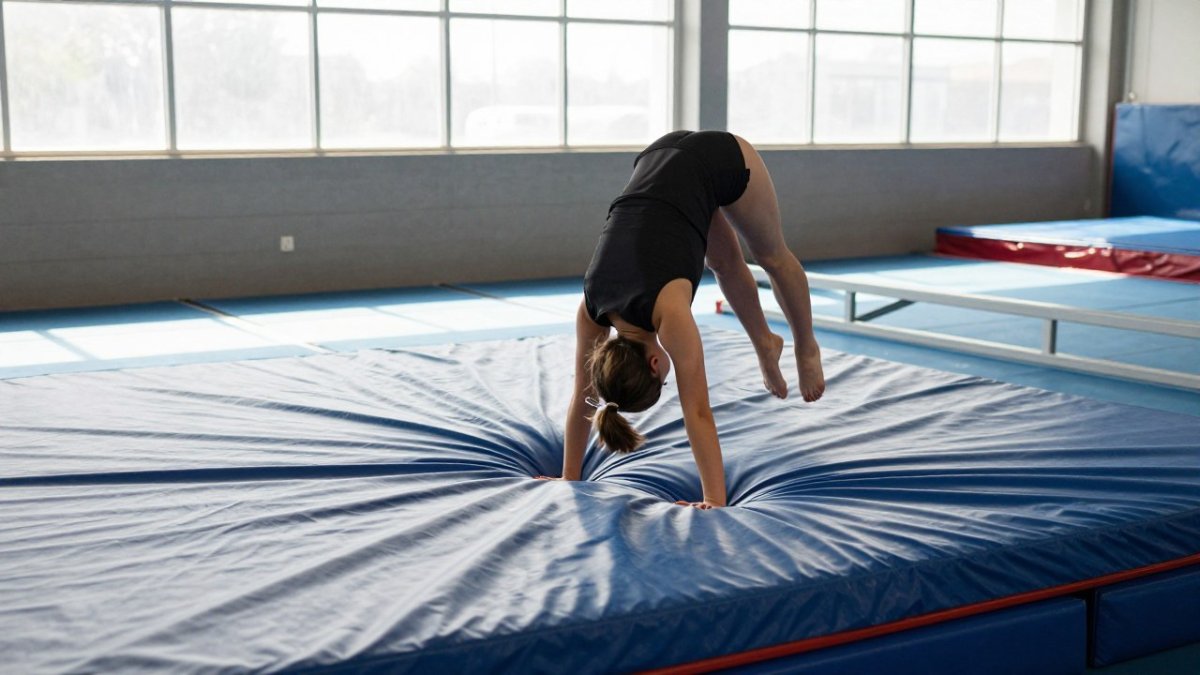
The most cited benefit is portability. A floor that folds, stacks or snaps apart can move between a home studio, rehearsal space and event venue. For a fold-up tumbling surface built on the same principle, see the Porta-Tumbl-Trak. Owning a floor means it can be used whenever needed, which many dancers find more practical than booking rental space.
Setup speed is the second advantage. Quick takedown reduces the time a room is unavailable for other uses.
A third benefit is a consistent practice surface. Dancers who train at home on carpet or hard floors often find their footing changes from session to session, while a defined surface gives a more predictable feel for turns, slides and footwork. Surface feel alone does not prove injury reduction.
Finally, portable floors can protect the room beneath. A tile system that sits over carpet or a hard subfloor can add separation and padding. Foam padding can add separation and cushioning, although the exact amount depends on the product and subfloor.
Benefits by Dance Style and Activity
The benefits of a portable dance floor mat vary by discipline. Surface firmness, traction, sound return and cushioning interact differently with shoes, bare feet and movement patterns, so the right mat for one style can be a poor fit for another. The table below maps common dance activities to portable floor characteristics; treat it as a starting point, not a substitute for testing a sample.
| Activity | Surface priority | What to check on a portable mat | Common trade-off |
|---|---|---|---|
| Tap and rhythm | Firm, smooth top with clear sound return | Vinyl or hard-laminate top layer; tight seams; minimal foam give | Too much cushioning muffles taps and feels unstable |
| Ballet and contemporary | Level, slightly forgiving surface for bare feet or soft shoes | Consistent tile thickness; low-gloss finish; edges that sit flush | Overly slick surfaces make turns unpredictable |
| Ballroom and social dance | Predictable traction for heel-and-toe footwork | Textured vinyl; stable interlocking joints; no curling edges | Excess grip can strain knees during spins |
| Hip-hop and street styles | Cushioning for drops, floor work, and repeated impact | Thicker foam or rubber base; secure tile locks; mat that stays put | Soft mats can compress and shift under fast direction changes |
| Fitness and conditioning | Stability and durability under repeated movement | Dense foam or rubber; non-slip top; easy cleaning | Thin mats may bottom out under high-impact drills |
| Event and performance | Quick assembly, weather resistance, and a consistent stage feel | Panel weight; edge ramps; storage cases; surface that handles stage shoes | Heavier systems cost more and need more hands to move |
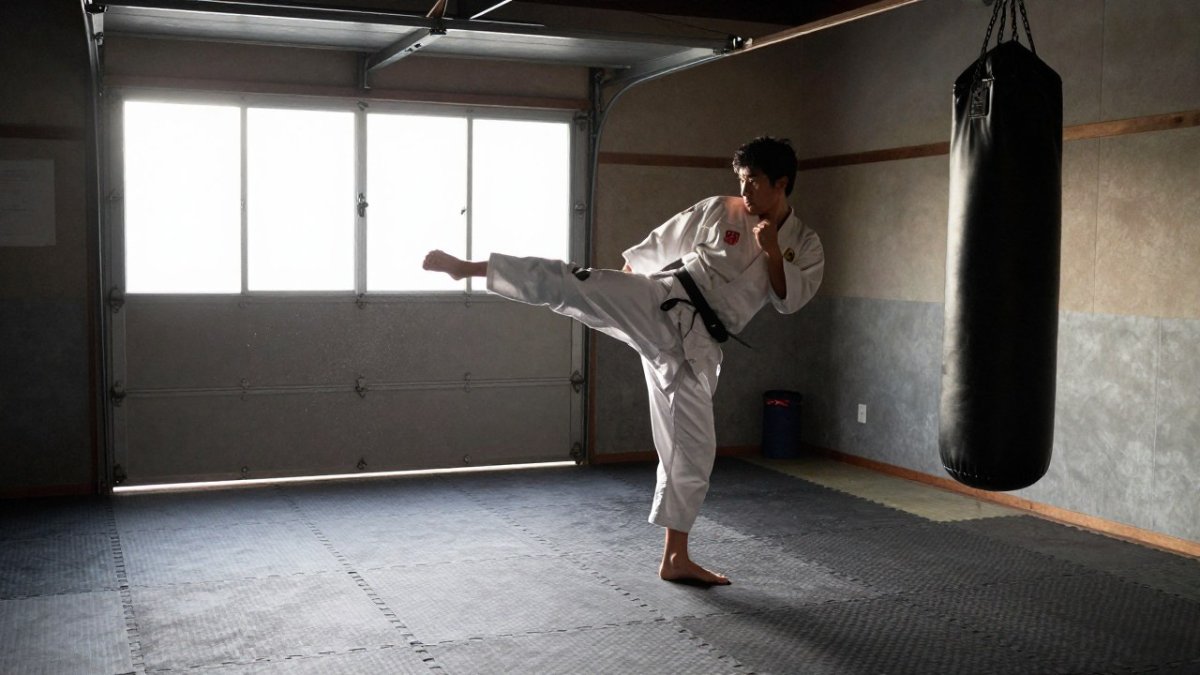
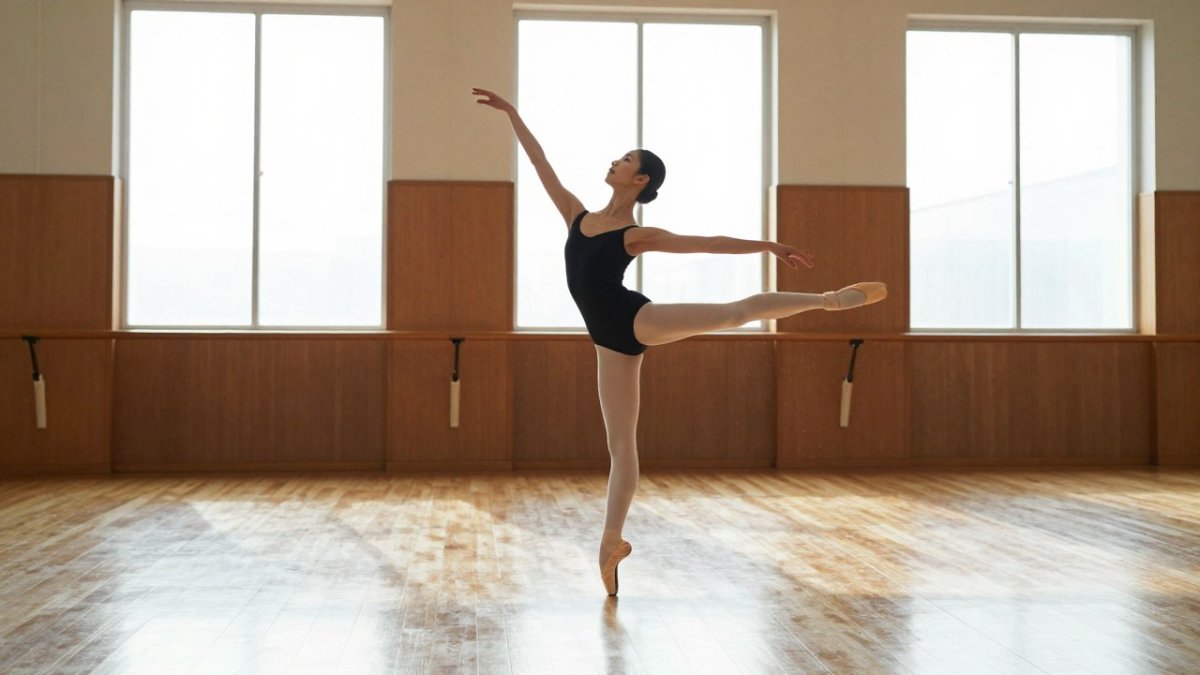
Tap and rhythm dancers usually want a firm, smooth surface that returns sound clearly; a thin vinyl-topped interlocking tile often beats thick foam, which absorbs sound and softens the strike. Ballet and contemporary dancers prioritize a level, slightly forgiving surface for barefoot or soft-shoe work, since too much grip makes pirouettes feel stuck and too little makes them unpredictable. Hip-hop and street styles involve floor work and drops, so cushioning matters more, but the mat must lock tightly so it does not separate under fast direction changes.
Fitness and conditioning users look for stability under repeated movement. A single portable floor can serve several purposes, but a floor chosen for tap may not suit floor-based contemporary work, and a mat chosen for hip-hop drops may feel too soft for ballet turns.
Event and performance use adds another set of needs. Portable floors can be laid at a venue, reducing reliance on a permanent stage surface. Before buying, confirm the material handles your shoes and movement, and ask whether edge ramps or transition pieces are available so dancers do not catch a toe on the mat boundary.
Materials Compared: Pros and Cons of Common Mat Types
The table below summarizes common portable floor types based on the supplied product information. Pricing varies widely, and most listings do not state a price, so treat the cost column as a general guide rather than a quote.
| Mat Type | Typical Construction | Pros | Cons | Typical Cost Tier |
|---|---|---|---|---|
| Interlocking tiles | Snap-together foam or vinyl tiles | Easy to customize size; quick to assemble | Seams can show; some tiles feel firmer than sprung floors | Lower per square foot |
| Rolled or folding mats | Single sheet or folding panel | Simple storage; fewer seams | Limited size options; may wrinkle or curl | Mid-range |
| Full portable systems | Engineered panels with weather resistance | Built for repeated use; suitable for events | Higher upfront cost; heavier to move | Higher |
Pricing for portable dance floors varies by quantity, size and delivery, so request a current quote from Glory and Power Enterprises before budgeting.
Foam-based tiles give cushioning but can compress over time. Vinyl surfaces resist scuffs but may feel less forgiving. Choose based on the movement you do most.
Safety Trade-Offs, Limitations, and Surface Checks
A portable floor is not a substitute for a sprung or purpose-built studio floor, and its benefits come with trade-offs. The most common problems are small and cumulative: tiles that creep apart, edges that curl, and surfaces that are either too slick or too grippy for the movement being practiced.
Start with the subfloor. A portable mat laid over uneven concrete, loose boards or thick carpet will telegraph those irregularities to the dancer, so check the room for loose boards, large gaps, rough carpet and any slope.
Watch out: tiles that separate under heavy traffic create trip hazards, so inspect the joints before every session and re-seat any piece that has lifted.
Edge transitions matter more than many buyers expect. A mat that ends abruptly at a hard floor creates a lip that can catch a toe during traveling steps. Ask whether the system offers beveled edge pieces or ramps, and if not, plan to tape or secure the perimeter.
Traction is a two-sided trade-off. A surface that is too slick makes turns and stops unpredictable; one that is too grippy can strain knees and ankles during spins.
Treat injury claims carefully. The supplied research does not establish that any portable floor reduces injury rates. Injury prevention depends on training, technique, fatigue and footwear as much as on the surface.
Finally, consider the limits of portability. A mat that is easy to move may be light enough to shift during vigorous movement. For high-impact or fast-directional work, look for systems with interlocking edges that lock positively, and consider whether the mat needs securing to the subfloor or weighting at the perimeter.
Caring for and Maintaining Your Dance Floor
Keep the surface clean with a damp cloth and a mild cleaner suited to the material. Avoid harsh solvents, which can degrade vinyl or foam. Dust and grit can wear the surface and make it slippery, so sweep before each session.
Store the floor flat or in its original packaging when not in use. Keep it away from direct sunlight and moisture to protect the material. If tiles have been stored in a hot garage, let them acclimate before assembly.
Inspect the joints and edges every few months. Replace damaged tiles promptly, since a single cracked piece can disrupt the whole surface.
Choosing the Right Floor for Your Practice Space
Start by measuring the room and deciding how much of it you need.
Next, match the surface to your dance style. Tap dancers may want a firmer, smoother top. Floor-work dancers may prioritize cushioning. Mixed-use home studios often benefit from a moderate option.
Compare the total cost, not just the sticker price, including shipping, assembly tools and accessories. Buyers planning larger purchases can ask about financing options; confirm terms directly with Glory and Power Enterprises.
For larger, permanent installations, Glory and Power Enterprises manufactures two-layer Baltic birch spring floors for competitive training. Marley dance floors are another option when a permanent surface fits better than a portable one.
Portable floors earn their place when mobility, storage or flexible room use matter most. When the space is used every day for serious training, a permanent or sprung system may be the better long-term investment.
Glory and Power Enterprises builds professional-grade spring and sprung floors for cheerleading, gymnastics, martial arts and dance.
Frequently Asked Questions
Are portable dance floor mats worth the investment? They can be, for dancers who need to move or store a floor.
How much do portable dance floors cost? Prices vary by size and construction. Listed tile prices start around $2.99 per square foot, but totals depend on quantity and delivery. Request a quote for current pricing.
Can a portable floor go over carpet? Some systems are designed for placement over carpet, and foam padding can add separation. Check the manufacturer's guidance for your specific product and subfloor.
Do portable dance floors reduce injury? The supplied research does not confirm injury reduction. Cushioning and stability are real features, but speak with a professional about injury concerns.
Frequently Asked Questions
Can portable dance floor mats be used on carpet?
Yes, many portable dance floors can be placed over carpet, but the carpet pile can make the surface wobble and the tiles can shift during footwork. A thin foam underlayment or a low-pile rug underneath helps keep the mats stable. Check the manufacturer's guidance first, since some tile systems are designed only for hard subfloors. Test the setup with a short practice session before committing to a full routine, and check the floor for any movement or gaps between tiles.
How do you keep portable dance floor mats from slipping?
Start with a flat, clean subfloor, since debris and uneven boards cause tiles to shift. Interlocking tiles stay put better when they are snapped together fully, and edge pieces should lock on all sides. Some users add a non-slip underlayment or a rubber backing layer beneath the floor. Avoid using the floor on polished or waxed surfaces, which can allow sliding even when the tiles are well connected.
Are portable dance floors safe for dancing?
They can be a safe practice surface when set up on a level, stable base and kept clean. Their benefit is a more consistent surface than many home floors, which supports repeatable technique work. They are not a substitute for proper footwear, warm-up, or a sprung floor in a professional studio. Watch for loose tiles, raised edges, and worn spots, and stop using the floor until they are fixed.
How should you clean and maintain a portable dance floor?
Sweep or vacuum the surface before each session to remove grit that can scratch the finish or affect traction. Wipe with a damp cloth and a mild, pH-neutral cleaner, then dry the surface so moisture does not seep between tiles. Check the interlocking edges periodically for wear or loosening. Store tiles flat or stacked in a dry place to prevent warping, and keep them out of direct sunlight to limit fading.